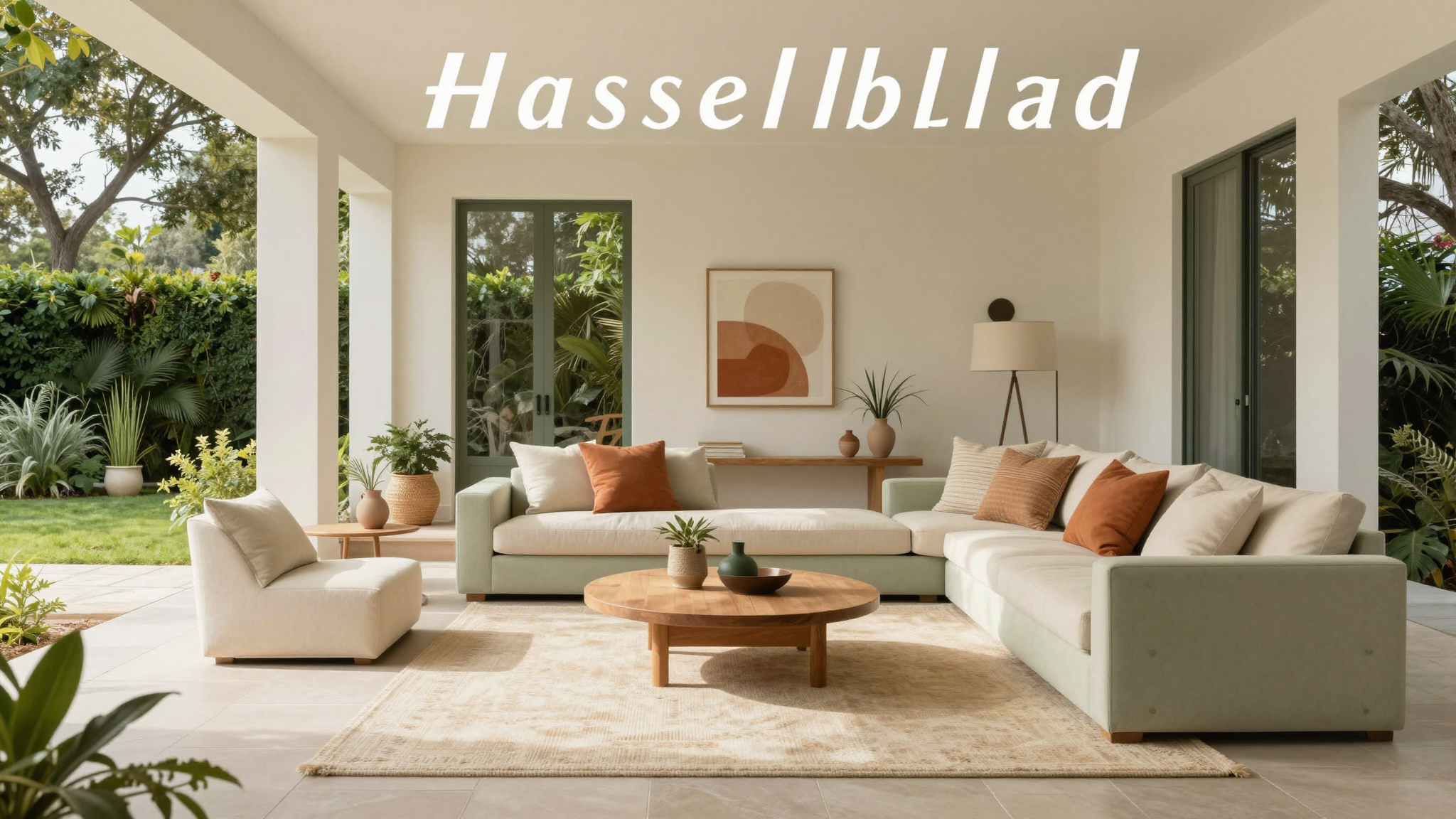
30 Outdoor Decor Ideas for Patios, Porches & Gardens: Designer-Approved Inspirations for 2026
Imagine stepping into your outdoor space, where each element has been thoughtfully curated to create an inviting retreat. The trends of 2026 have brought forth a blend of textures, colors, and designs that redefine what it means to enjoy the outdoors. With expert insights and design principles guiding your choices, you can transform patios, porches, and gardens into personalized sanctuaries. Whether you’re starting from scratch or refreshing your current setup, these ideas will inspire you to create a space that perfectly matches your lifestyle and environment.
Reading time: 27 minutes | Published: May 6, 2026
TL;DR Quick Summary
Outdoor decor in 2026 emphasizes a seamless blend of comfort and style, focusing on biophilic design and sustainability. Key shifts include the use of natural materials, color drenching, and the integration of smart technology for a modern touch. These trends provide both aesthetic appeal and functional benefits, enhancing your outdoor experience. Whether you’re dealing with a cozy porch or an expansive garden, these ideas will guide you in creating a space that is both beautiful and adaptable to your needs.
What Defines Outdoor Decor Ideas for Patios, Porches & Gardens in 2026?
In 2026, outdoor decor is characterized by a focus on sustainability and connection with nature, known as biophilic design. This approach incorporates natural elements such as wood, stone, and living plants to create spaces that feel organic and rejuvenating. The use of natural materials not only adds aesthetic value but also supports a sustainable lifestyle. Designers increasingly reccommend the 60-30-10 rule to balance color palettes, using 60% dominant color, 30% secondary, and 10% accent to create visual interest without overwhelming the senses.
Color drenching, where a single color is used in varying shades across a space, helps achieve tonal layering and depth. This technique can make smaller spaces appear larger and more cohesive. In terms of layout, the golden ratio is applied to ensure proportions are pleasing to the eye, creating harmony between furniture and decor.
Smart technology integration is another defining feature, with innovations like solar-powered lighting and water-saving irrigation systems enhancing functionality. These tech-savvy elements not only make outdoor spaces more convenient but also align with the eco-friendly focus of modern design. Whether you’re designing a cozy patio or a sprawling garden, these principles ensure your outdoor area is both stylish and sustainable.
30 Outdoor Decor Ideas to Inspire Your Space
1. Vertical Gardens
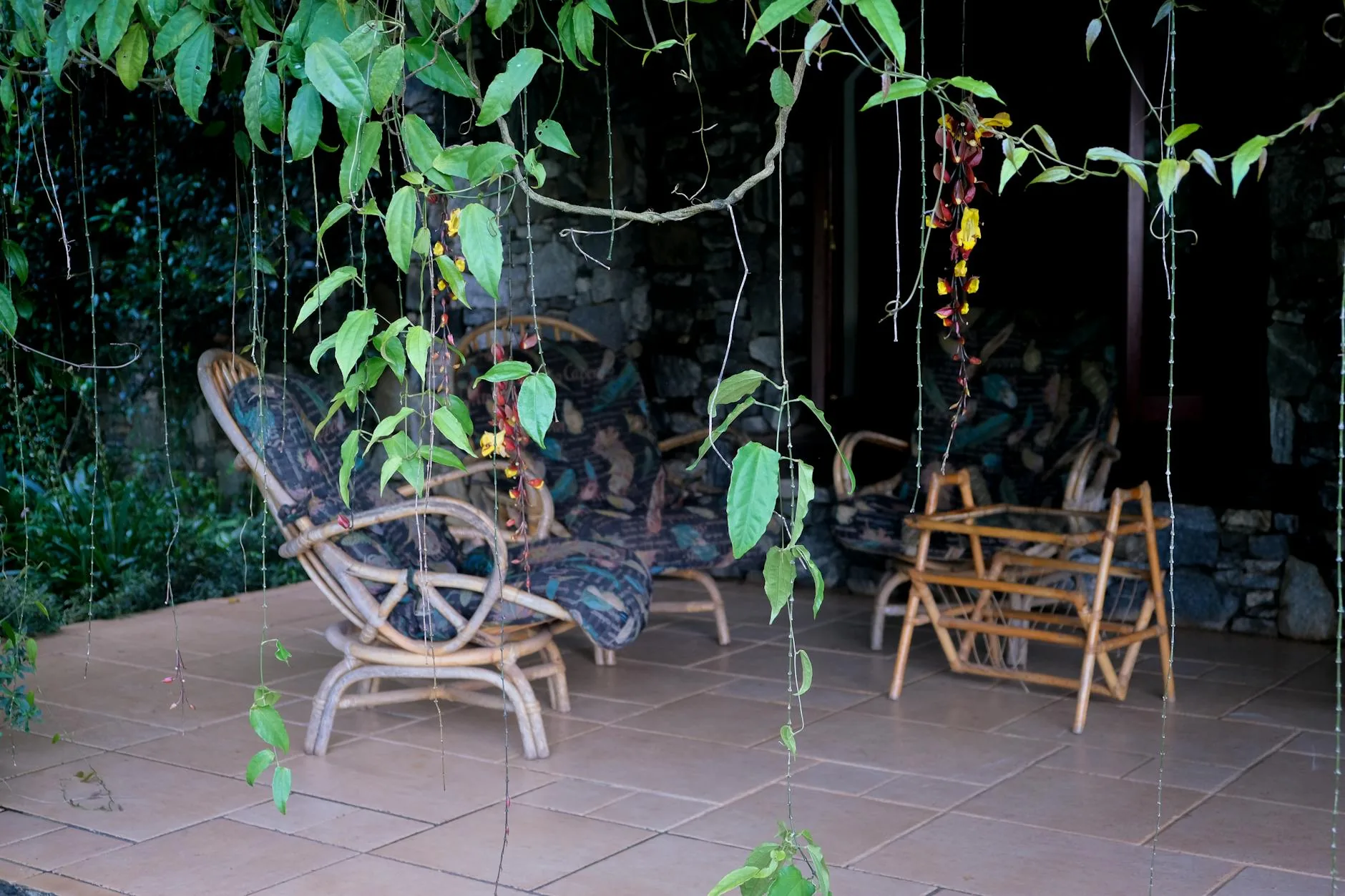
Vertical gardens are a brilliant way to incorporate plants into your outdoor space without sacrificing square footage. Utilizing wall-mounted planters or trellises, you can create a lush, green backdrop that enhances the natural beauty of your patio or porch. The genius of vertical gardens lies in their ability to add height and dimension, drawing the eye upwards and maximizing the use of negative space. Opt for a mix of low-maintenance succulents and trailing vines for a dynamic and easy-care setup.
This approach is not only visually appealing but also supports biophilic design principles, which promote a connection to nature. Vertical gardens can serve as living walls that improve air quality and create a tranquil environment. Pair with rustic wooden furniture and soft, muted textiles to complete the look, ensuring a seamless blend of natural materials and greenery.
Designer Tip: Use a 60-30-10 color scheme with plants, pots, and wall colors.
Try This If: You have limited outdoor space but want to add greenery.
2. Multifunctional Furniture
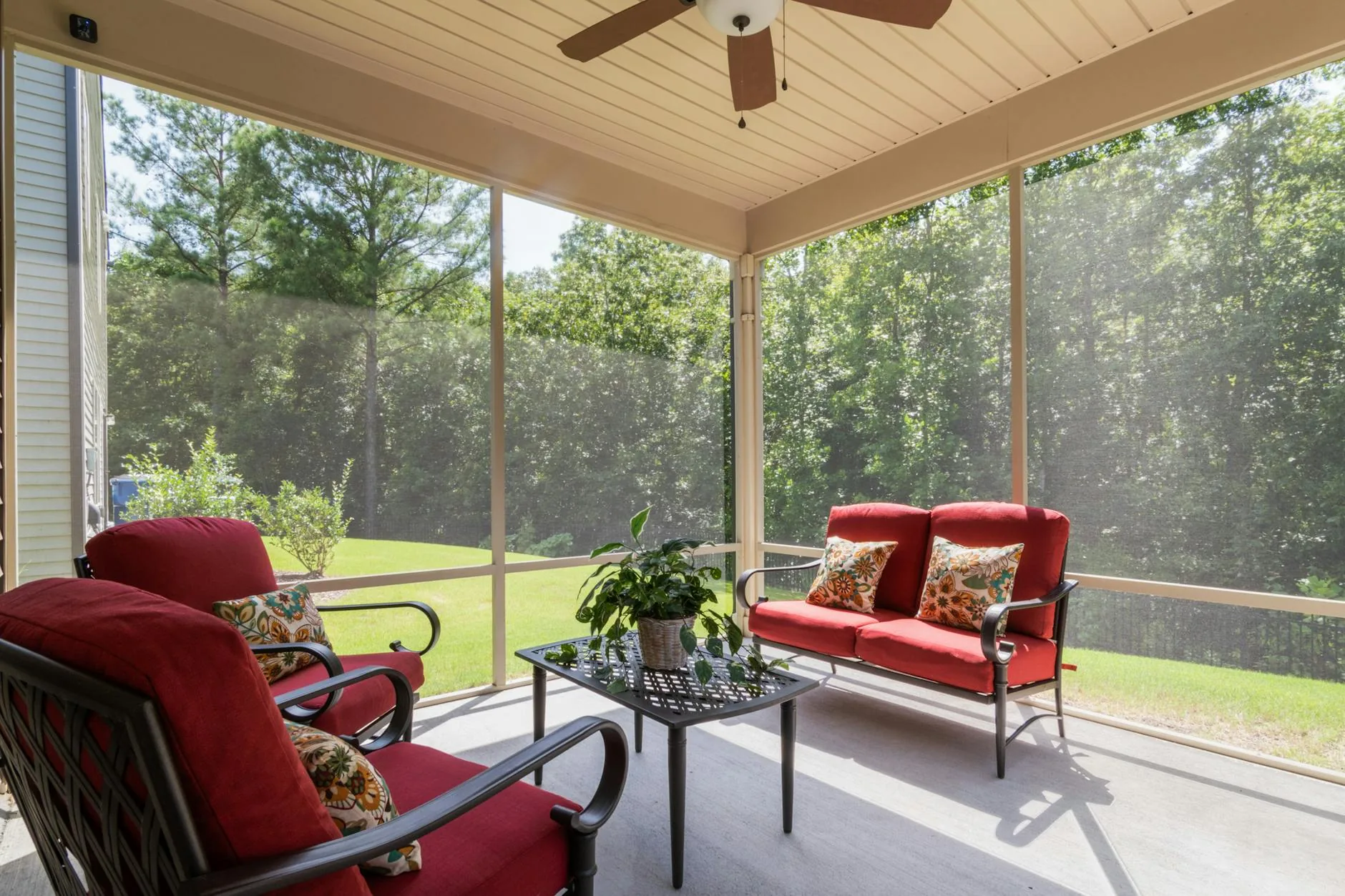
Investing in multifunctional furniture, like bench seating with built-in storage or a table that doubles as a fire pit, can greatly enhance your outdoor area’s versatility. These pieces are designed to maximize functionality without compromising on style, allowing you to enjoy the outdoors more efficiently. Choose materials such as weather-resistant wicker or teak, which offer durability and a timeless aesthetic.
Multifunctional furniture works wonders in small spaces, where every piece must earn its keep. By incorporating items that serve multiple purposes, you can achieve a clutter-free environment that feels open and inviting. The balance of practicality and elegance reflects the trends of 2026, where smart design meets aesthetic appeal. Complement these pieces with outdoor rugs and cushions in complementary colors to tie the space together.
Designer Tip: Follow the golden ratio for balanced furniture placement.
Try This If: You’re working with a small patio and need efficient use of space.
3. Pergola with Drapes
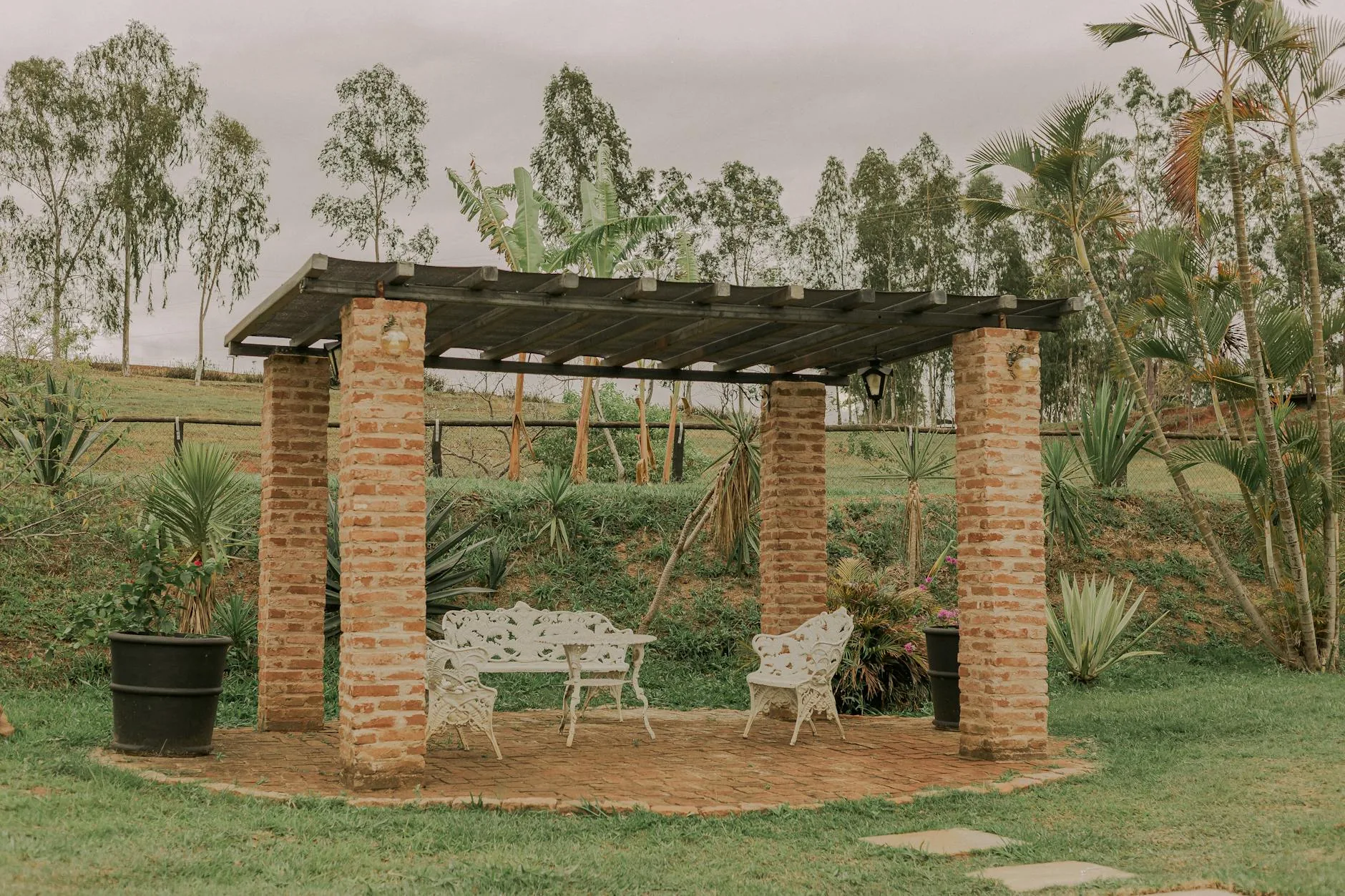
A pergola adorned with flowing drapes transforms any outdoor area into a romantic retreat. Constructed from natural woods or aluminum, pergolas provide shade while maintaining an open feel. The addition of sheer or weatherproof fabric adds a touch of elegance and privacy, allowing you to adjust the ambiance according to the occasion or mood.
This setup enhances outdoor living by offering shelter and style, embodying the essence of biophilic design by blending seamlessly with nature. Layer with hanging plants or fairy lights for added charm. The drapes can also soften the structure’s lines, creating a cozy nook perfect for relaxation and entertaining. In 2026, such versatile and aesthetically pleasing structures are increasingly popular for their adaptability and timeless appeal.
Designer Tip: Arrange drapes in a 60% open, 40% closed configuration for balance.
Try This If: You want a flexible space that offers both sun and shade.
4. Solar-Powered Lighting
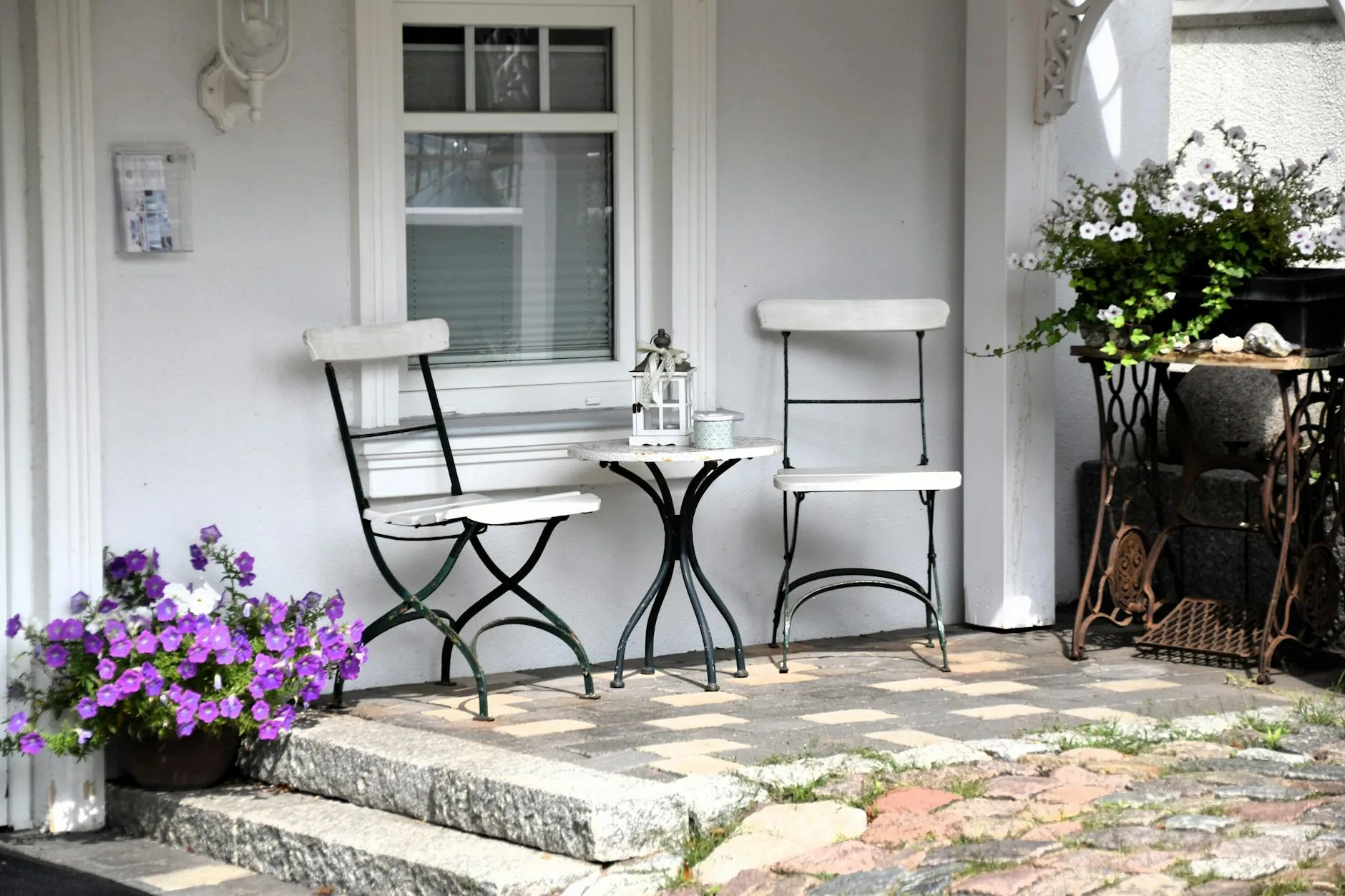
Enhancing your outdoor space with solar-powered lighting is both eco-friendly and stylish. These lights come in various forms, from string lights to embedded pathway fixtures, providing ambient illumination without increasing your energy bill. The genius of solar lighting lies in its sustainability, using the sun’s energy to power your evening gatherings.
Solar lighting is perfect for creating a magical atmosphere while being kind to the planet. By strategically placing lights along walkways, around seating areas, or within plant beds, you can highlight key features and ensure safety. This technology aligns with 2026’s push towards sustainable living, offering a practical solution that complements modern outdoor design aesthetics.
Designer Tip: Position lights at 45-degree angles for optimal coverage.
Try This If: You want to reduce your energy usage while enhancing ambiance.
5. Fire Pits
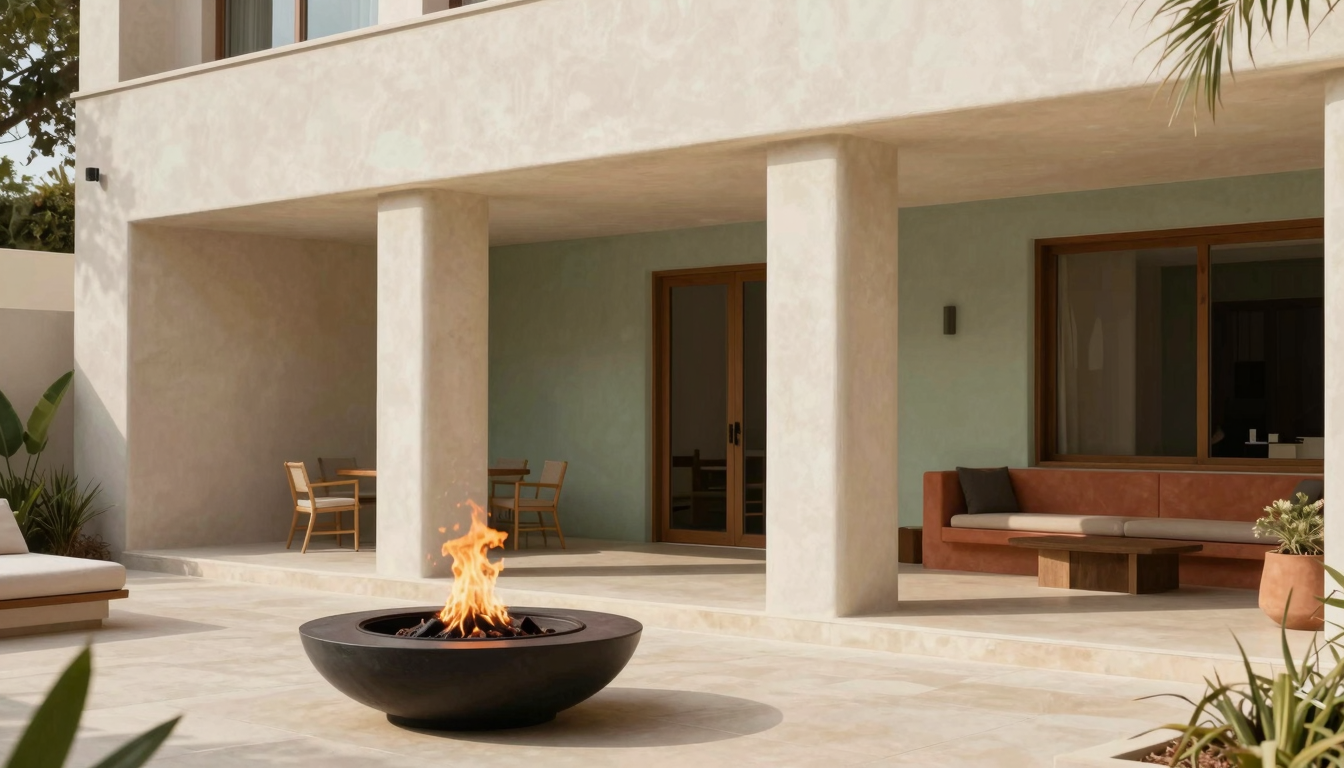
Nothing brings people together quite like a fire pit. In 2026, fire pits have evolved from simple metal bowls to intricate designs that serve as focal points in outdoor spaces. Whether built-in or portable, fire pits create a cozy atmosphere, perfect for entertaining or unwinding under the stars.
“In 2026, fire pits are not just about warmth; they embody design elegance and functionality.”
Fire pits enhance socialization and relaxation, making them a beloved addition to any outdoor area. Designers recommend surrounding them with comfortable seating and using materials like stone or corten steel for a durable, stylish finish. Add throw blankets and cushions in rich, earthy tones to complement the natural flames and create a warm, inviting environment.
Designer Tip: Maintain a 6-foot radius of clear space around fire pits.
Try This If: You love hosting evening gatherings in your garden.
6. Outdoor Kitchens
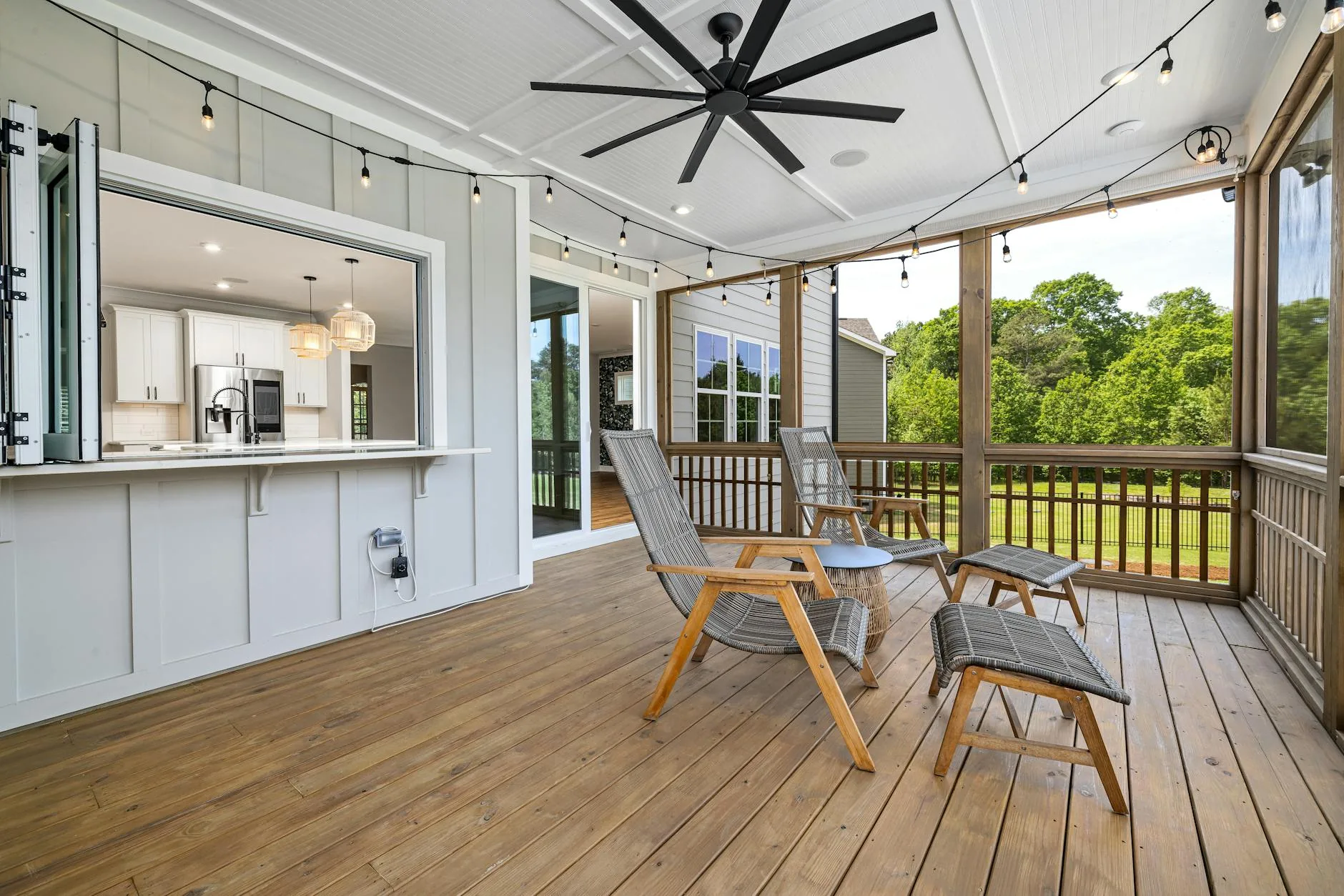
Bringing the heart of the home outdoors, an outdoor kitchen can transform your patio into a culinary paradise. Equipped with essentials like a grill, countertop, and sink, these kitchens make outdoor cooking convenient and enjoyable. Use durable materials like stainless steel and granite for a sleek, modern look that withstands the elements.
Outdoor kitchens enhance your space by merging functionality with entertainment. They’re perfect for al fresco dining, allowing you to socialize while preparing meals. As outdoor living trends evolve, these kitchens provide a seamless transition from indoor to outdoor spaces, embodying the desire for more integrated living environments in 2026.
Designer Tip: Arrange appliances following the work triangle principle for efficiency.
Try This If: You frequently entertain and cook for guests outdoors.
7. Natural Stone Paths
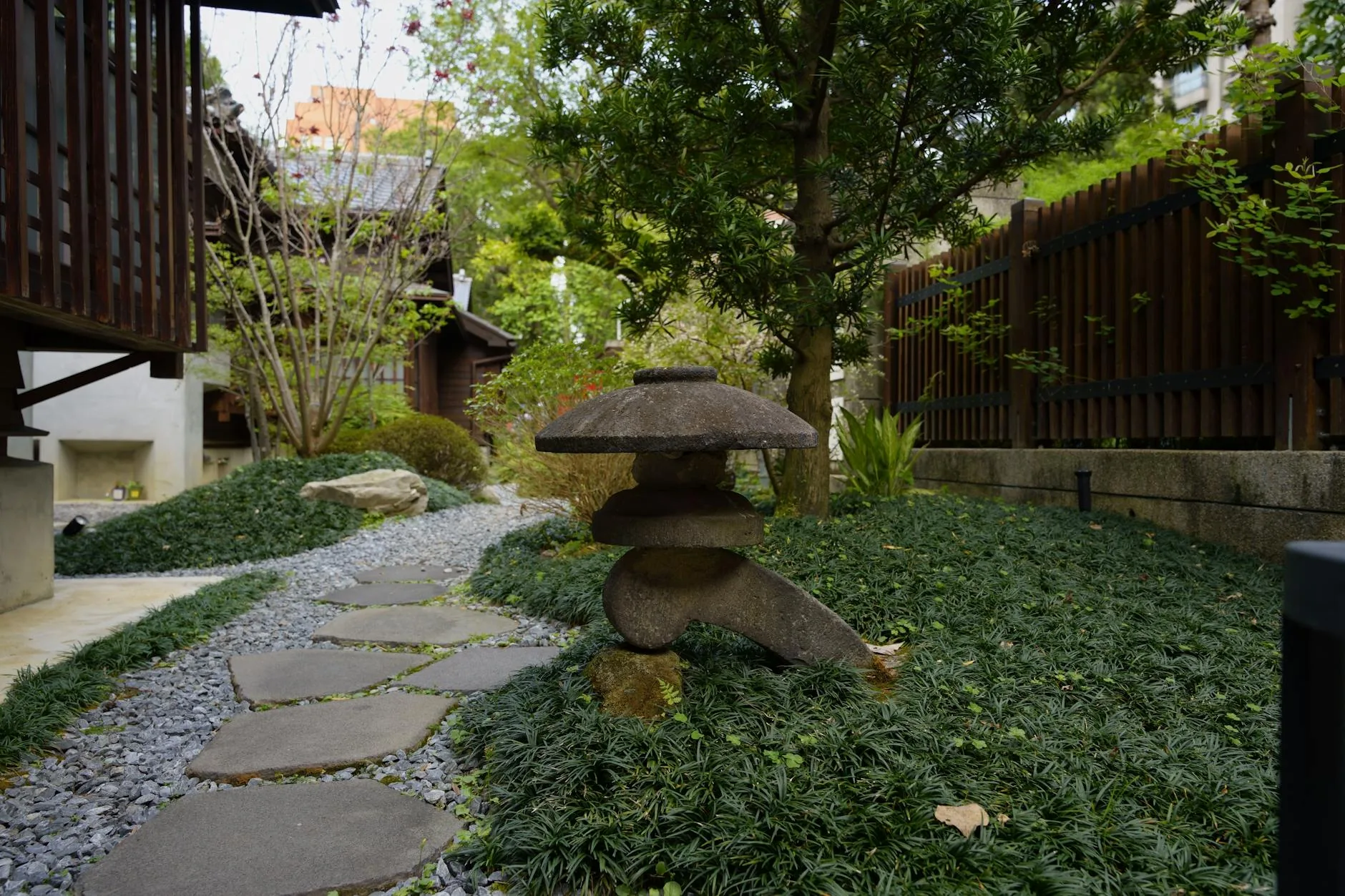
Natural stone paths offer an elegant solution for guiding guests through your garden. Using materials like slate or flagstone, these paths create a visual journey that introduces a sense of direction and flow. The irregular shapes and earthy tones add organic texture, enhancing the natural beauty of your outdoor area.
These paths are more than functional; they serve as design elements that blend seamlessly with the environment. By incorporating various stone sizes and colors, you can achieve a harmonious look that complements the surrounding flora. In 2026, such sustainable and aesthetically pleasing solutions are increasingly favored for their timeless appeal and low environmental impact.
Designer Tip: Use a 4-inch gravel bed under stones for stability.
Try This If: Your garden lacks defined walkways or flow.
8. Outdoor Rugs: Pattern vs. Solid
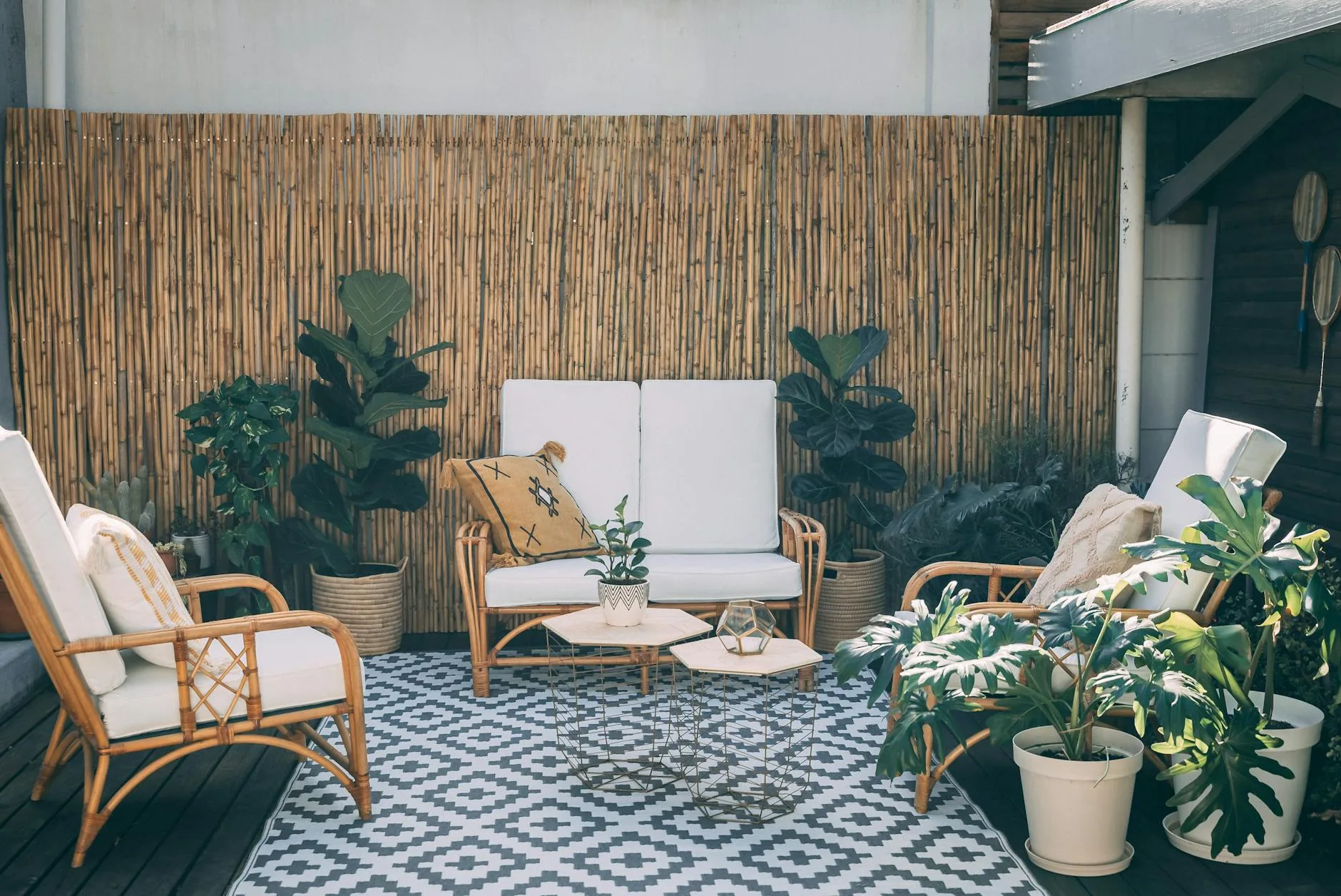
Outdoor rugs are a simple way to add comfort and style to your patio or garden. They provide a foundation for your furniture arrangement, enhancing the visual harmony of the space. Choosing between patterned and solid rugs can significantly impact the overall aesthetic.
| Element | Patterned Rugs | Solid Rugs |
|---|---|---|
| Visual Interest | Create dynamic contrast | Offer a unified, calm backdrop |
| Maintenance | May conceal stains better | Easier to clean, less visual busyness |
| Style | Bold, eclectic look | Minimalist, elegant appearance |
Outdoor rugs work by defining zones and adding a layer of softness underfoot. Patterns can inject energy and personality, ideal for eclectic spaces. Solids, meanwhile, support minimalist designs, offering a clean canvas for showcasing furniture and decor. As 2026 embraces both bold and understated styles, outdoor rugs play a critical role in personalizing outdoor settings.
Designer Tip: Opt for UV-resistant materials to prevent fading.
Try This If: You want to define seating or dining areas with style.
9. Hammock Haven
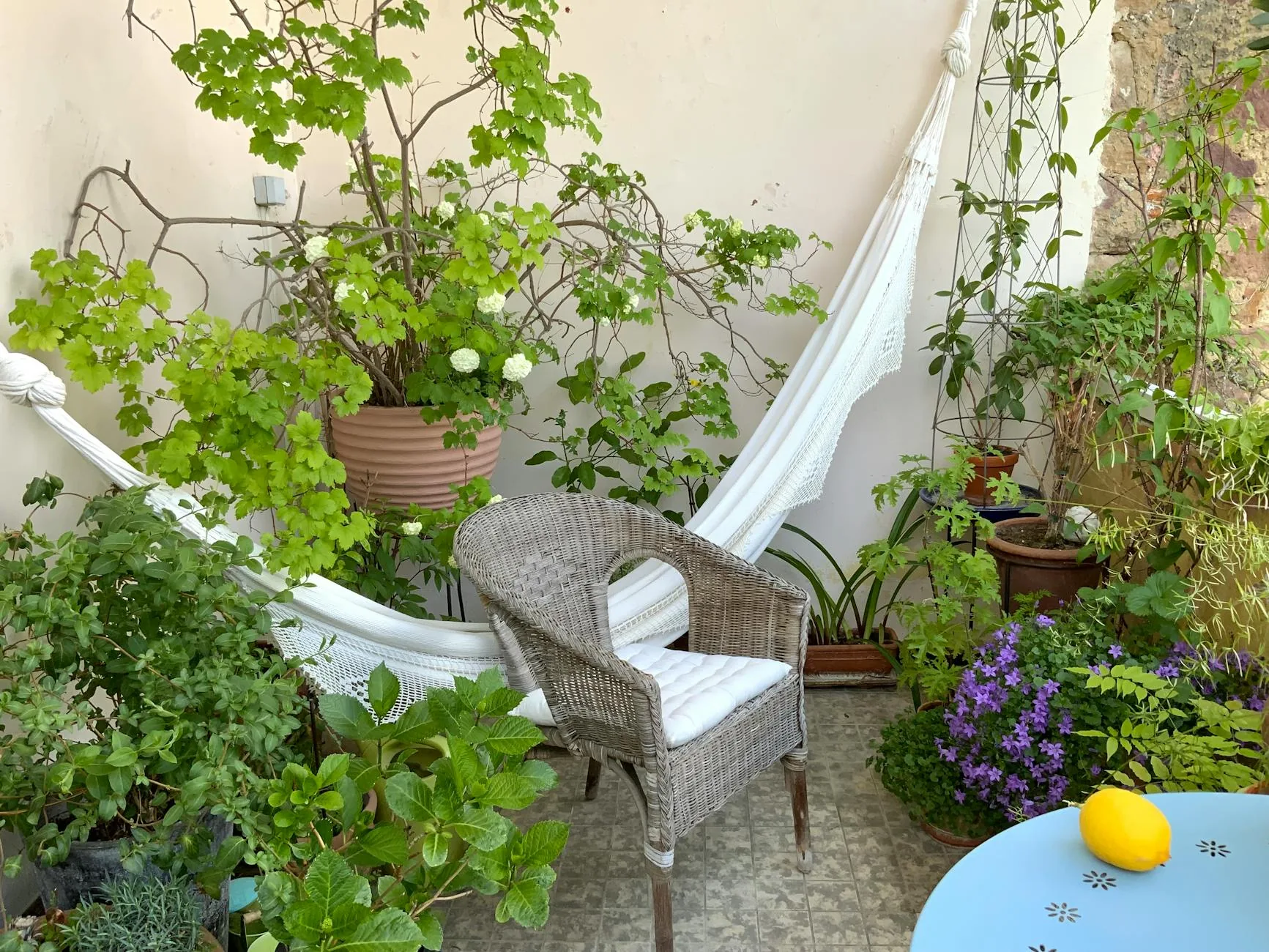
Creating a hammock haven transforms any garden or patio into a relaxation zone. Suspend your hammock between sturdy trees or use a freestanding frame for flexibility. With materials ranging from traditional rope to weather-resistant fabric, you can choose a style that complements your outdoor decor.
Hammocks provide a personal retreat, encouraging relaxation and leisure. They embody the laid-back lifestyle that outdoor spaces aim to offer. In 2026, wellness-centered design prioritizes areas that promote mental health and relaxation. Pair with soft throw blankets and cushions to enhance comfort and create a cozy, inviting atmosphere.
Designer Tip: Position hammocks 18 inches off the ground for optimal comfort.
Try This If: You need a tranquil space for unwinding after a long day.
10. Water Features
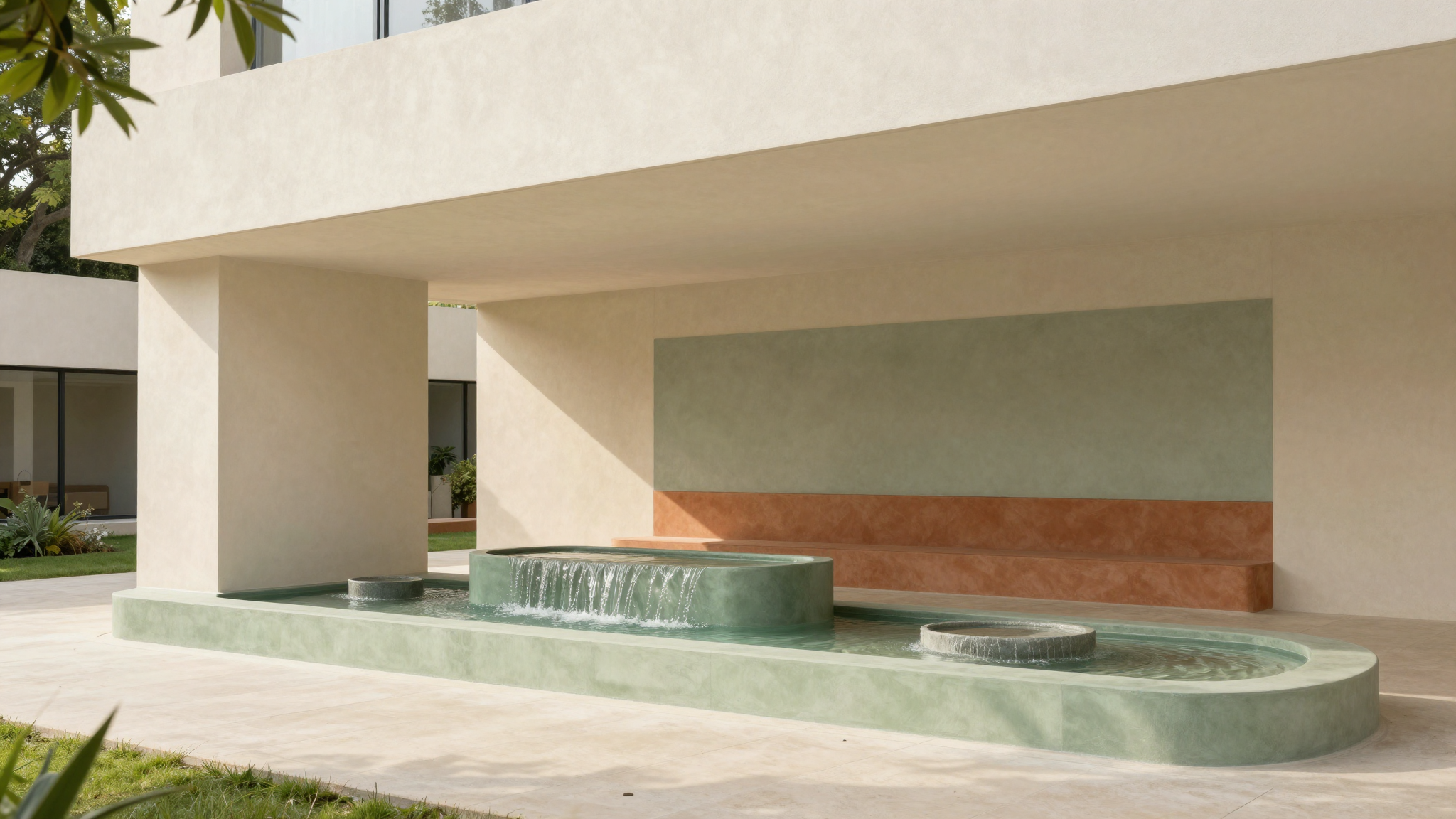
Incorporating a water feature into your outdoor decor can elevate your garden or patio to a new level of tranquility. Options range from small fountains to elaborate ponds, each providing the soothing sound of flowing water. The genius of water features lies in their ability to create a serene environment that encourages relaxation and meditation.
These features work by introducing movement and sound into your space, which can enhance the sensory experience and attract wildlife. The calming effect of water aligns with the biophilic design principles that dominate 2026 outdoor trends. Complement your water feature with natural stones and lush greenery to create a cohesive and inviting landscape.
Designer Tip: Ensure water features are positioned on a level surface for proper function.
Try This If: You want to introduce a calming element to your garden.
11. Eco-Friendly Materials
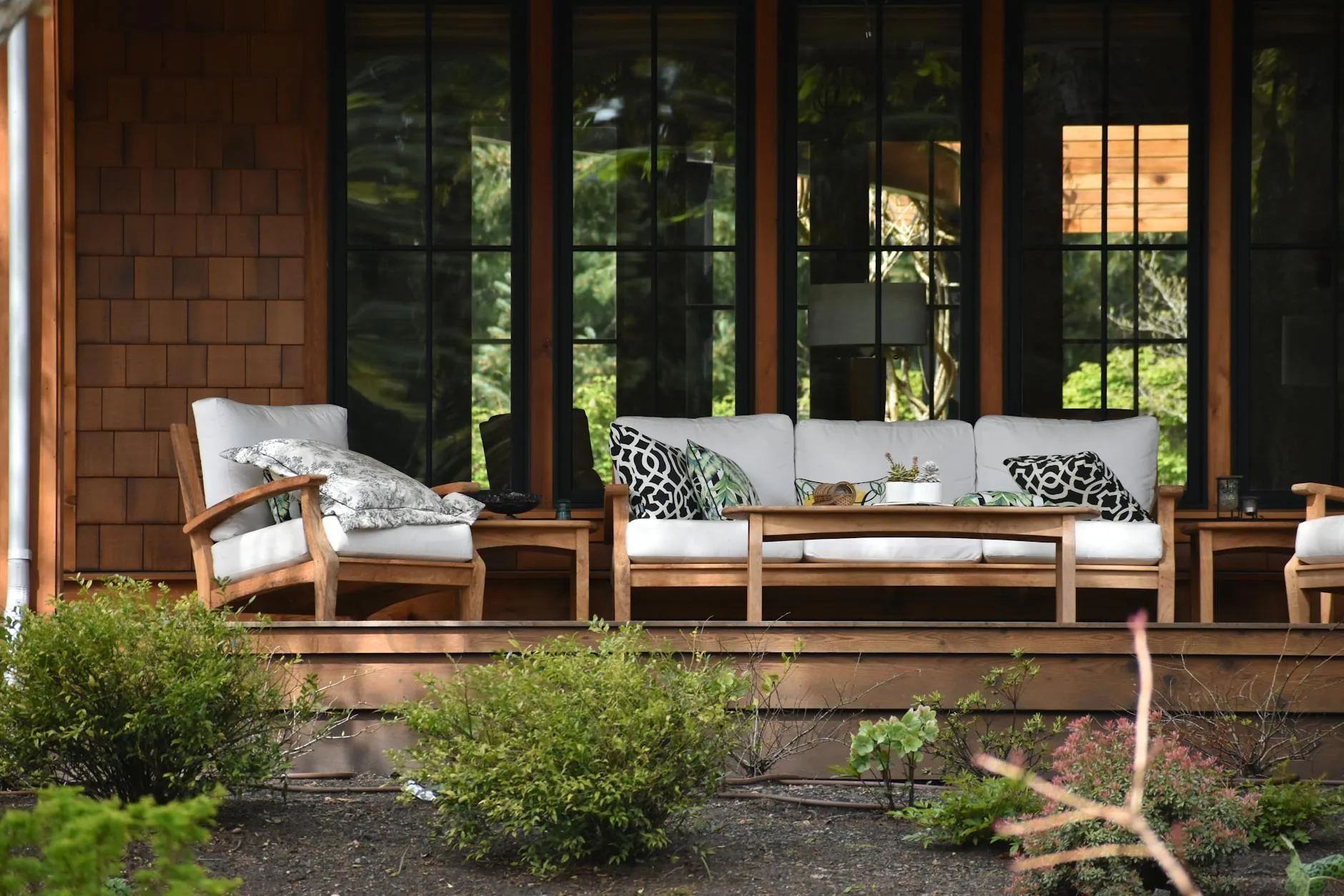
Using eco-friendly materials in your outdoor decor reflects a commitment to sustainability. Options like reclaimed wood, recycled plastic, and bamboo not only reduce environmental impact but also offer durable and stylish solutions. These materials can be incorporated into everything from furniture to decking and fencing.
Eco-friendly materials contribute to a sustainable lifestyle while providing versatile design options. Their natural textures and colors blend seamlessly with outdoor settings, creating a harmonious and environmentally conscious space. As sustainability becomes increasingly important in 2026, these materials are favored for their eco-credentials and ability to withstand the elements.
Designer Tip: Aim for 50% of outdoor materials to be eco-friendly.
Try This If: You’re committed to reducing your environmental footprint.
12. Step-by-Step: DIY Planter Boxes
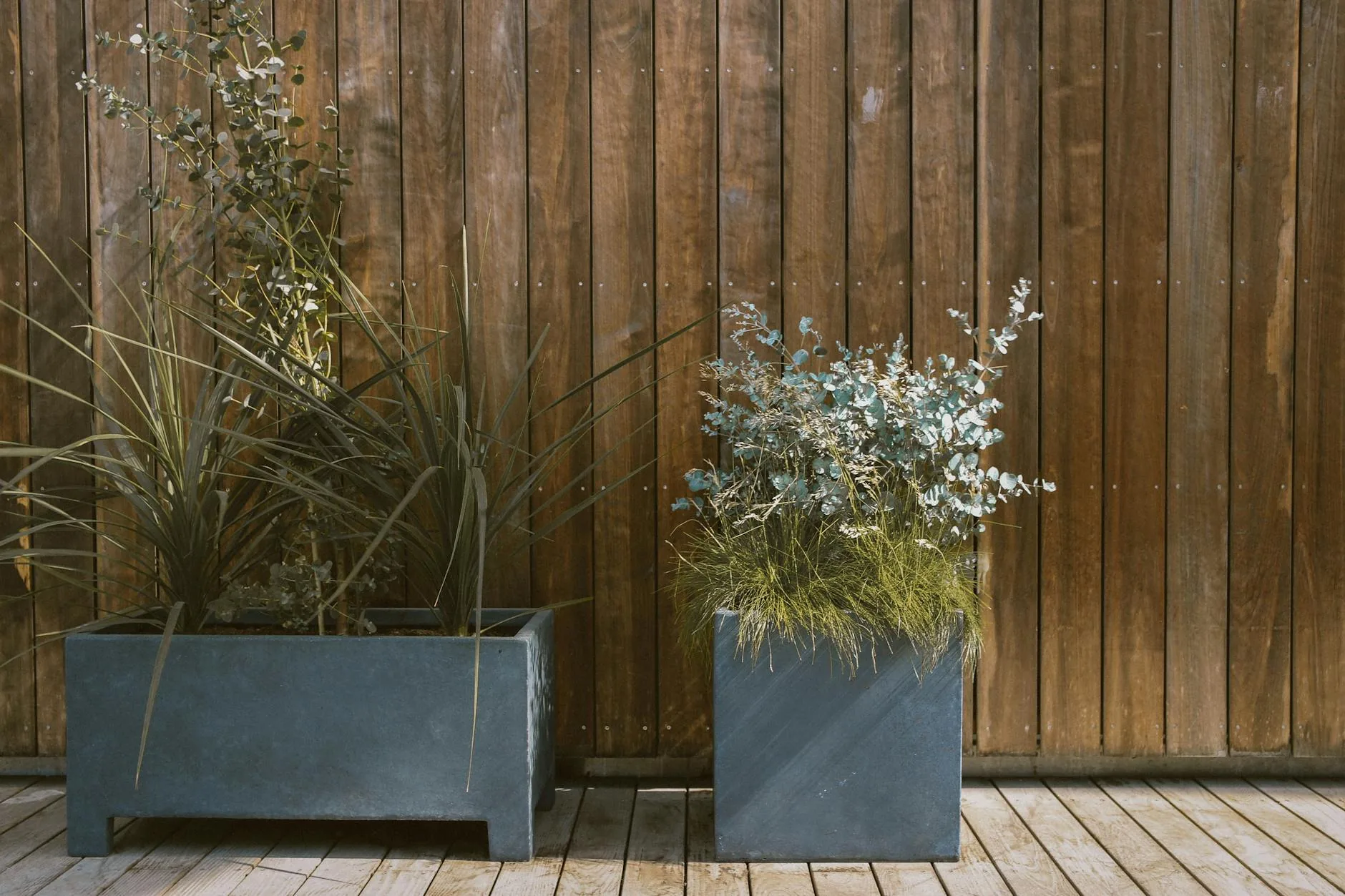
Creating your own planter boxes is a rewarding way to personalize your outdoor space. Here’s how to make them:
- Select Materials: Choose weather-resistant wood, such as cedar or redwood, for durability.
- Measure and Cut: Cut wood to desired dimensions, ensuring each piece fits perfectly using the golden ratio.
- Assemble: Use galvanized screws to assemble the box, ensuring corners are square.
- Finish and Plant: Apply a non-toxic sealant, then fill with soil and your choice of plants.
DIY planter boxes allow you to customize the size and style to fit your space perfectly. As part of the DIY trend in 2026, these projects enhance creativity and personal expression, offering a way to engage with your space and nature.
Designer Tip: Ensure drainage holes are 1/2 inch wide for optimal water flow.
Try This If: You enjoy DIY projects and want to add greenery to your space.
13. Hanging Lanterns
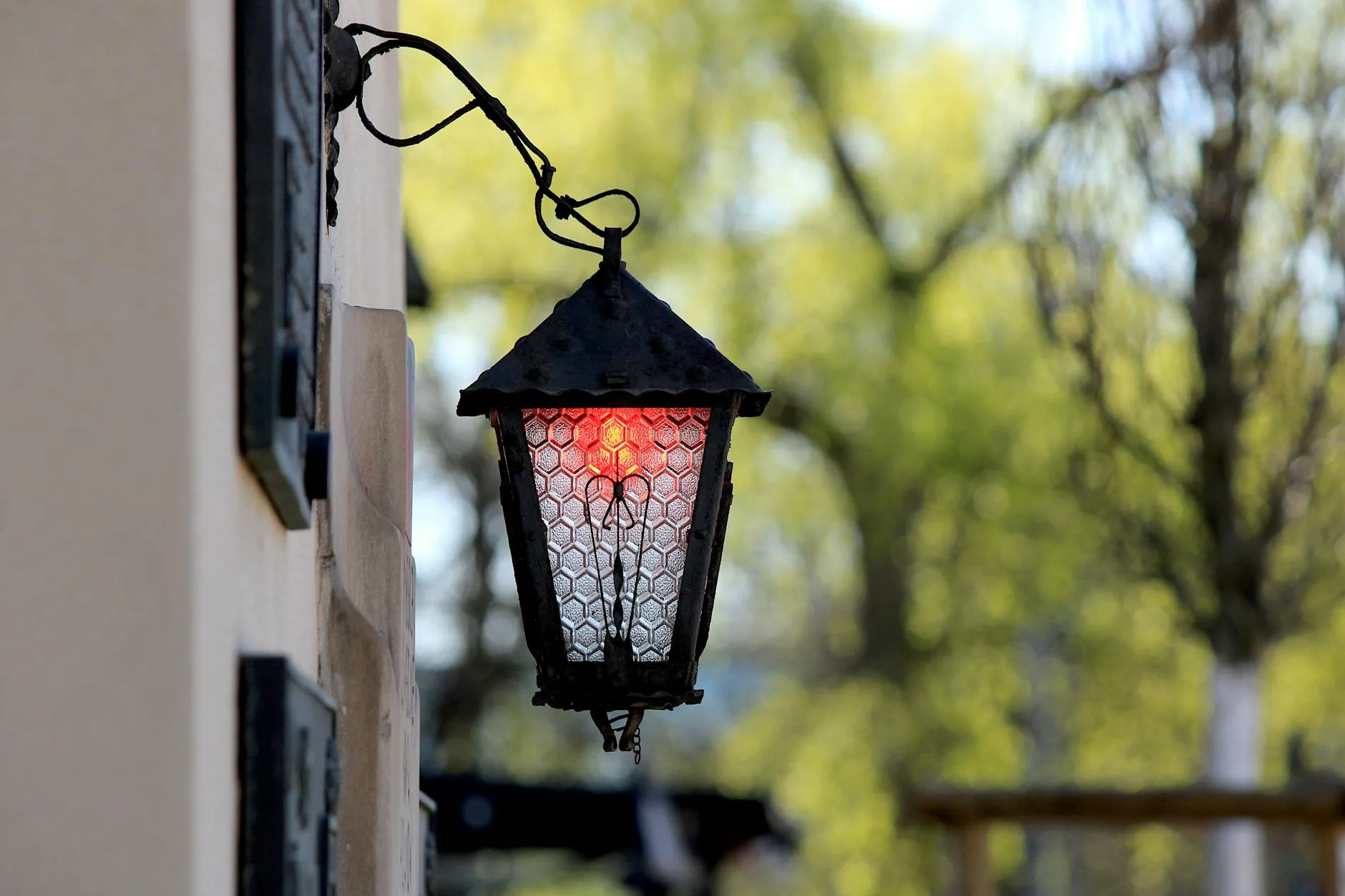
Hanging lanterns bring a touch of elegance and warmth to any outdoor setting. Available in materials like bamboo or metal, these lanterns can be hung from pergolas, trees, or hooks to create a soft glow. The interplay between light and shadow adds depth and interest, enhancing the atmosphere.
Lanterns are perfect for creating intimate settings, particularly in smaller spaces where lighting needs to be both functional and decorative. In 2026, they represent a blend of tradition and modernity, offering versatile lighting solutions that suit various styles. Pair with LED candles for a safe, long-lasting light source that complements the overall aesthetic.
Designer Tip: Hang lanterns at a height of 6-8 feet for optimal illumination.
Try This If: You need ambient lighting that enhances outdoor gatherings.
14. Aromatic Herb Gardens
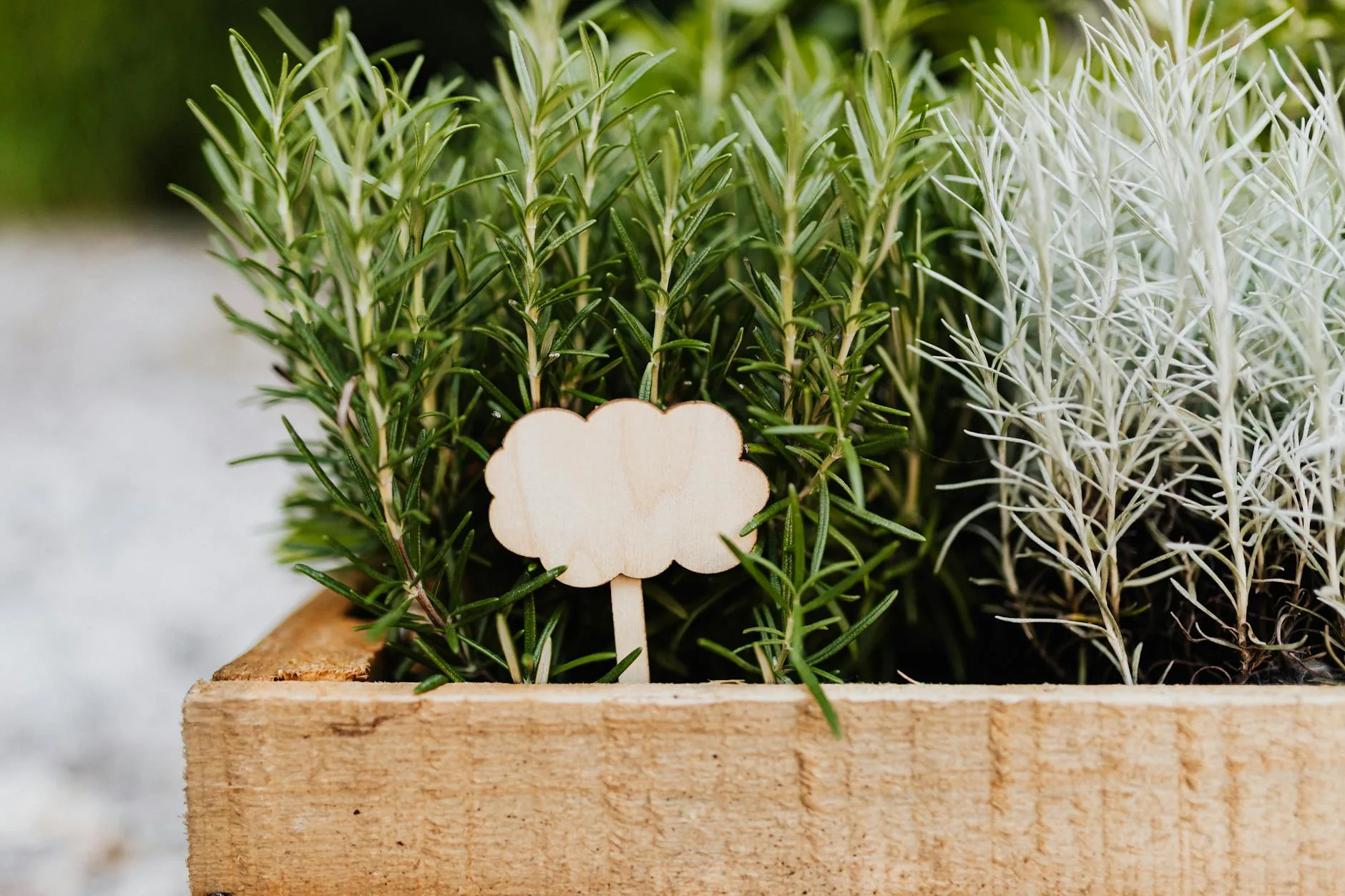
An aromatic herb garden is both functional and fragrant, providing fresh herbs for cooking while enhancing your outdoor space. Plant herbs like basil, rosemary, and lavender in raised beds or pots to create an accessible and lush garden. The diversity of scents and textures makes this a dynamic and practical addition to patios and gardens.
Herb gardens thrive on the sensory appeal, offering visual, olfactory, and tactile experiences. They align with the biophilic design principles by promoting a connection to nature and encouraging mindfulness through gardening. As culinary trends continue to emphasize fresh, home-grown ingredients, aromatic herb gardens are a popular choice in 2026 for their utility and charm.
Designer Tip: Plant herbs in a 12-inch grid for optimal growth.
Try This If: You love cooking with fresh, home-grown herbs.
15. Living Walls
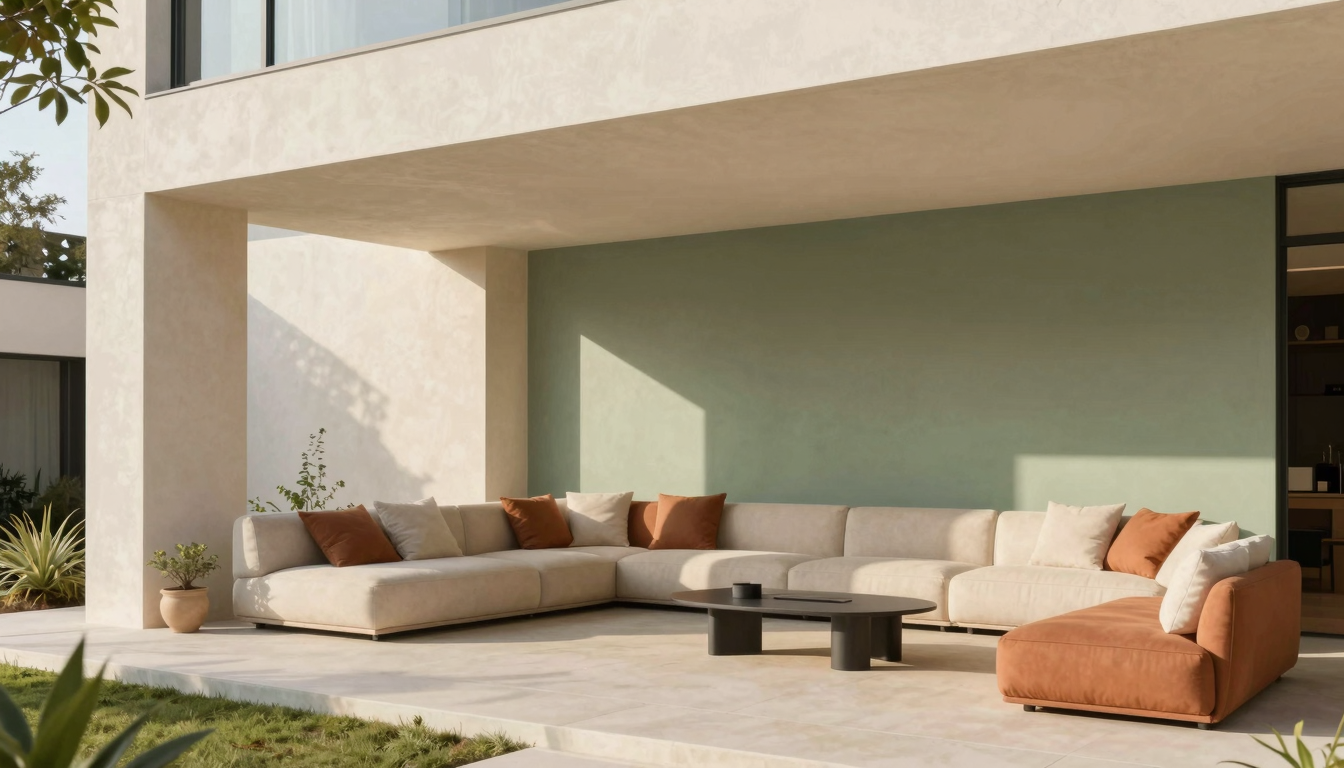
Living walls, also known as green walls, provide a striking visual element for patios and porches. These vertical gardens consist of plants grown on a support structure, offering a lush display that maximizes space and adds greenery where it’s most needed.
“Living walls transform vertical surfaces into vibrant canvases, enhancing both aesthetics and air quality.”
Living walls not only beautify spaces but also improve air quality by filtering pollutants and producing oxygen. They embody the essence of biophilic design, fostering a deeper connection to nature. Ideal for urban environments, these installations bring nature’s benefits to smaller spaces, aligning with 2026’s focus on sustainable and health-conscious living.
Designer Tip: Ensure plants receive at least 6 hours of indirect sunlight daily.
Try This If: You have limited ground space but ample vertical space.
16. Sculptural Elements
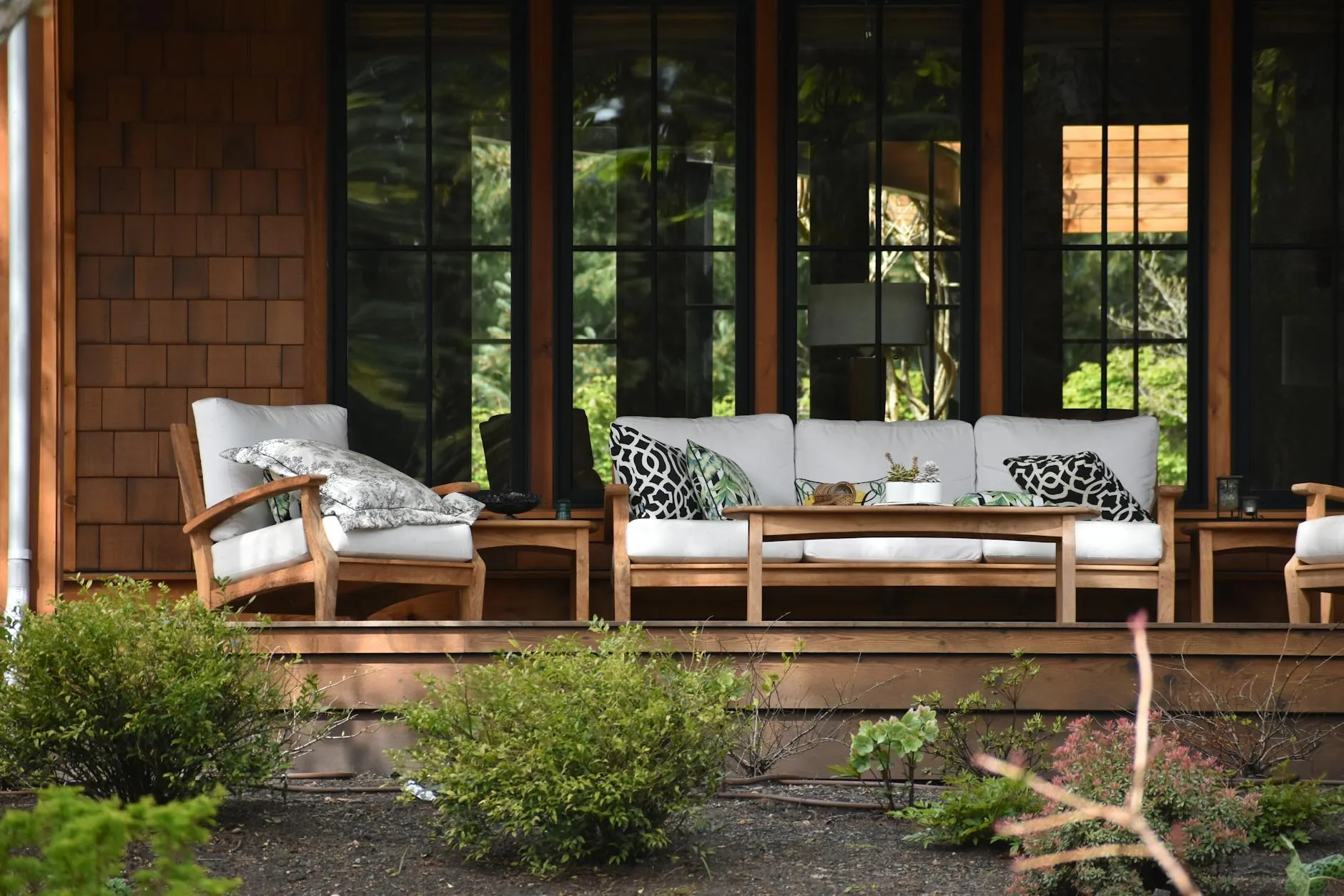
Incorporating sculptural elements into your outdoor decor can serve as focal points that enhance the visual interest of your space. Choose materials like stone, metal, or wood, and styles ranging from abstract to classical, depending on the overall theme of your garden or patio.
Sculptural elements add personality and intrigue, breaking the monotony of flat landscapes. They work well in larger spaces, where they can serve as visual anchors. In 2026, there is a trend towards incorporating art into everyday living, making sculptural elements a popular choice for adding a touch of sophistication and cultural depth to outdoor areas.
Designer Tip: Follow the rule of thirds for placement to enhance visual balance.
Try This If: You want a unique focal point that sparks conversation.
17. Cozy Fireplaces
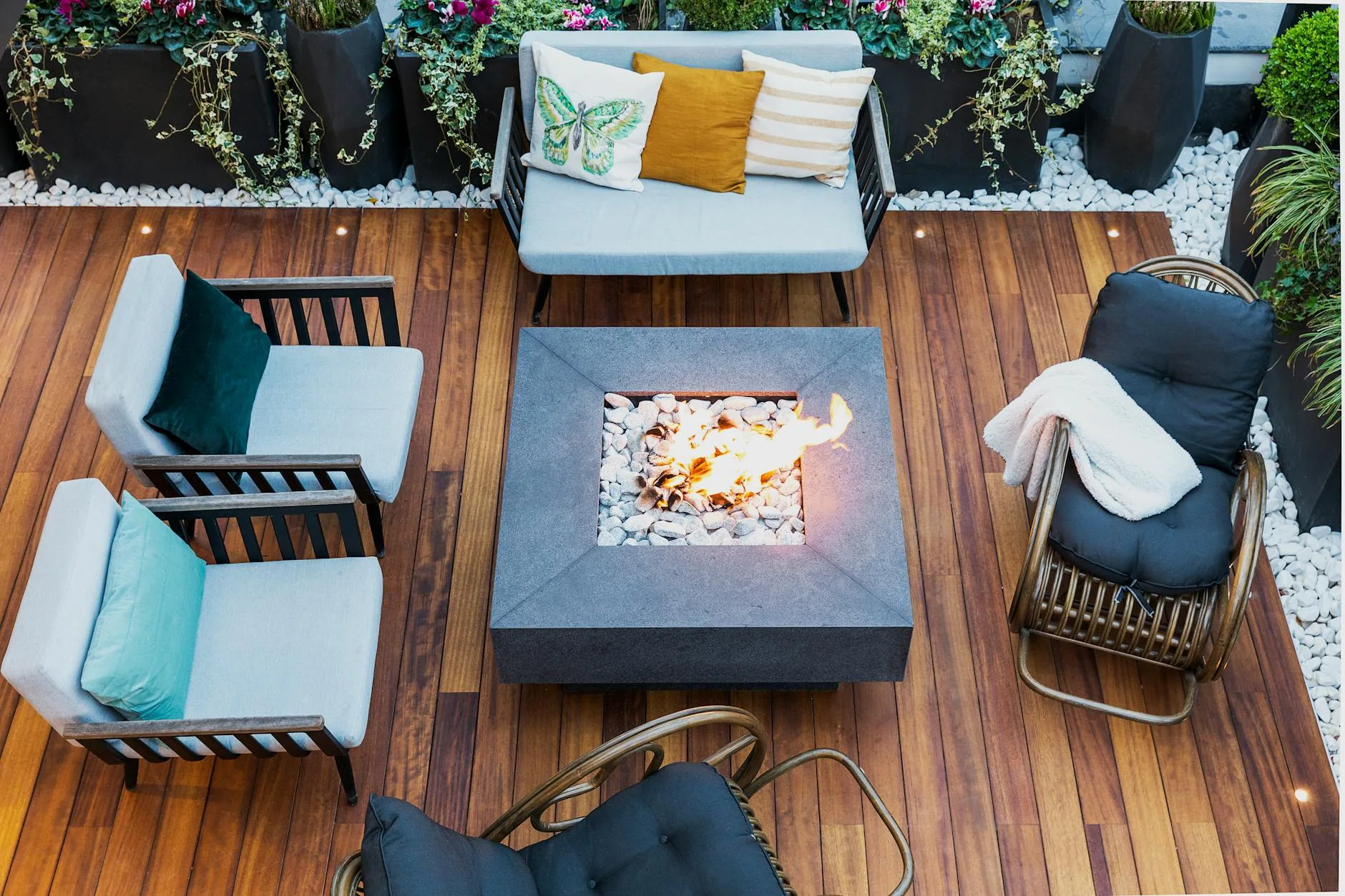
Outdoor fireplaces extend the usability of your patio or garden into cooler months, providing warmth and ambiance. Constructed from materials like brick, stone, or concrete, these fireplaces can be integrated into the landscape or built as standalone features.
Fireplaces serve as focal points, drawing people together and creating a cozy atmosphere. They are ideal for both intimate gatherings and larger events, offering a place to relax and socialize. In 2026, the integration of such features reflects a desire to create outdoor spaces that are as comfortable and inviting as indoor ones, blending functionality with style.
Designer Tip: Maintain a 12-foot clearance from combustible materials for safety.
Try This If: You enjoy spending time outdoors, even in cooler weather.
18. Outdoor Seating: Modular vs. Fixed
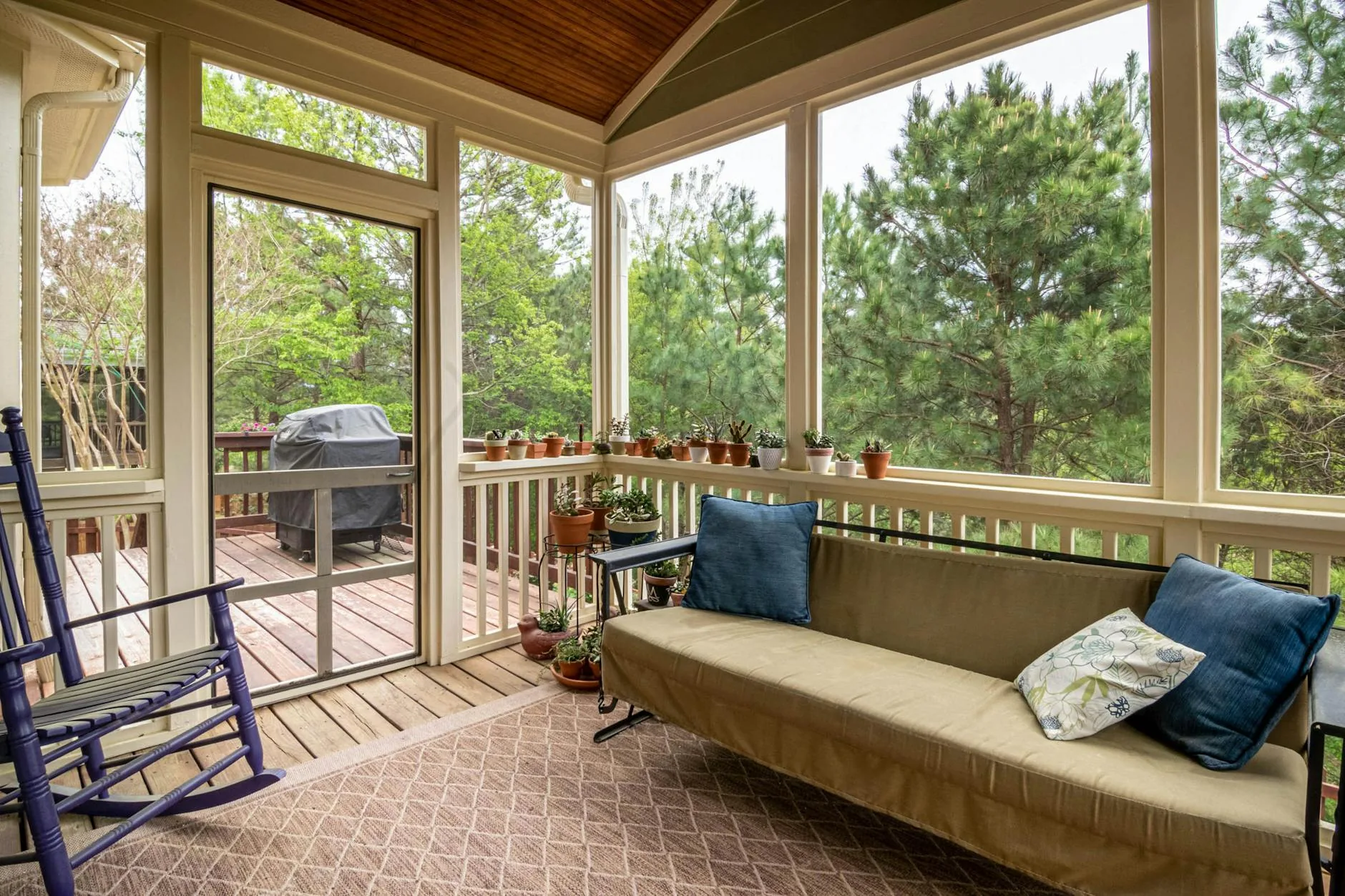
Choosing between modular and fixed outdoor seating can significantly influence the flexibility and style of your patio. Modular seating allows for dynamic arrangements and easy reconfiguration, while fixed seating offers stability and a structured look.
| Feature | Modular Seating | Fixed Seating |
|---|---|---|
| Flexibility | Highly adaptable, reconfigurable | Permanent, stable arrangement |
| Style | Contemporary, casual appearance | Classic, formal aesthetic |
| Maintenance | Easy to clean and move | Requires less frequent repositioning |
Outdoor seating defines the comfort and usability of your space. Modular options suit those who enjoy frequently changing their layout, while fixed seating is best for those with a set design plan. In 2026, both styles are popular, with a focus on comfort and durability to withstand seasonal changes.
Designer Tip: Use the 60-30-10 principle in cushions and throws for color balance.
Try This If: You want to adapt seating for different occasions.
19. Shade Sails
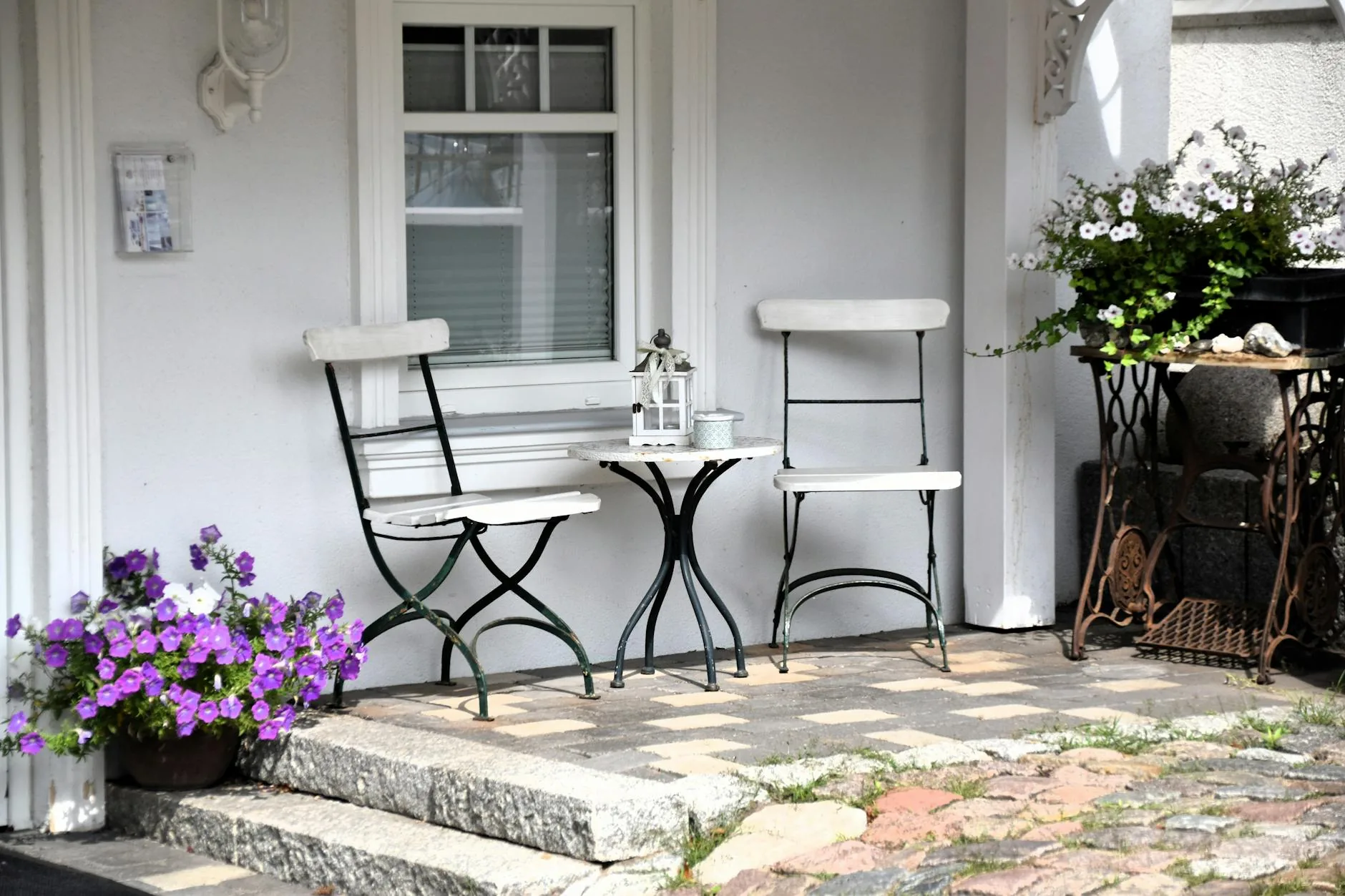
Shade sails provide a chic and practical solution for sun protection in outdoor spaces. Made from durable fabrics like canvas or polyester, these sails can be stretched across patios or gardens to create shaded areas. The flexibility in shape and size allows for custom configurations that suit specific needs.
Shade sails are effective in reducing heat and glare, making outdoor areas more comfortable during sunny days. Their aesthetic appeal lies in their ability to add architectural interest through their dynamic lines and forms. In 2026, as outdoor living becomes more integral to daily life, shade sails are an essential element for creating comfortable, usable spaces.
Designer Tip: Install sails at a 20-degree angle for optimal rain runoff.
Try This If: Your outdoor area receives intense sunlight and needs shade.
20. Step-by-Step: DIY Outdoor Curtains
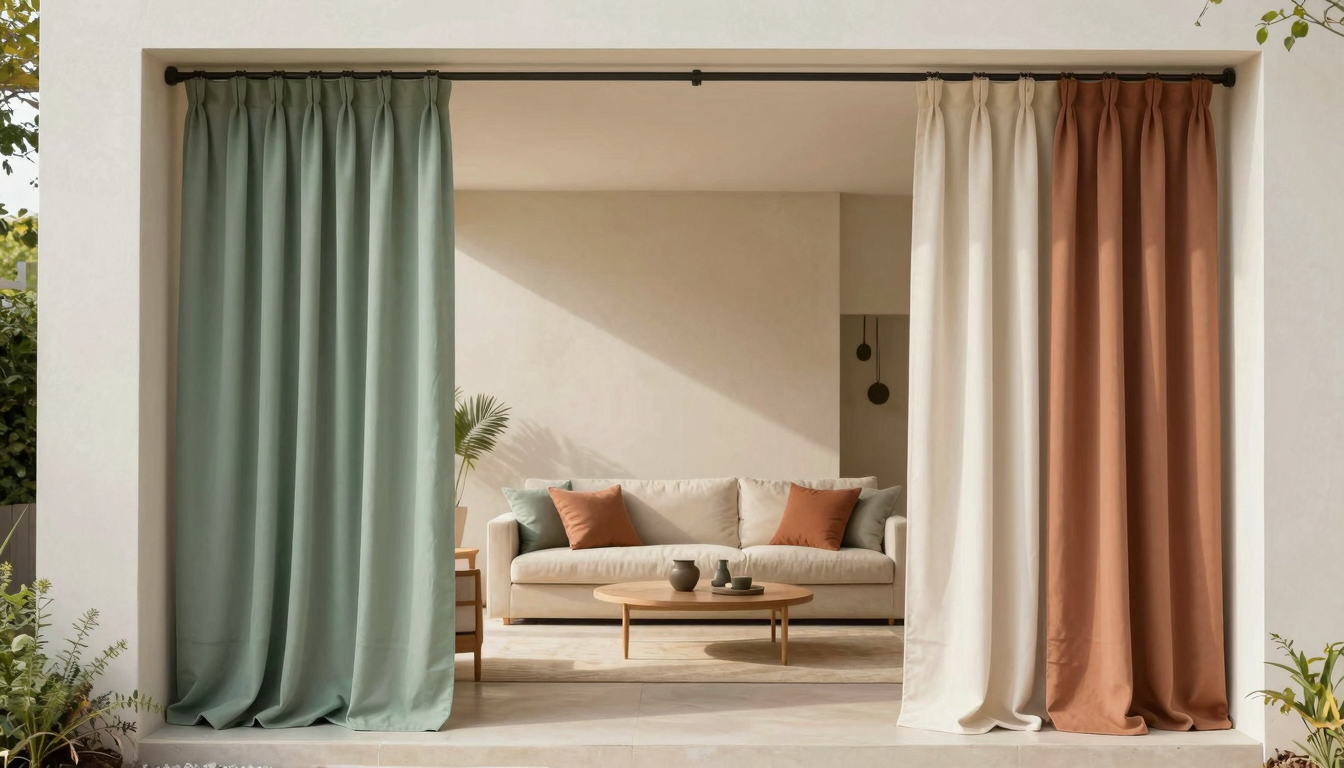
Outdoor curtains add privacy and softness to your patio or porch. Here’s how to make them:
- Choose Fabric: Select weather-resistant fabric, such as outdoor polyester, for durability.
- Measure and Cut: Measure the area and cut fabric to size, adding extra for hemming.
- Sew and Hem: Hem all sides and sew pockets for curtain rods at the top and bottom.
- Install: Use tension rods or curtain wire to hang, ensuring they are securely fixed.
DIY outdoor curtains are a budget-friendly way to enhance your space. They provide shade and privacy while adding a touch of elegance. This project aligns with 2026’s DIY trends, emphasizing personal creativity and resourcefulness in home design.
Designer Tip: Ensure hemmed edges are at least 1 inch to prevent fraying.
Try This If: You seek a stylish solution for privacy and sun protection.
21. Minimalist Garden Beds
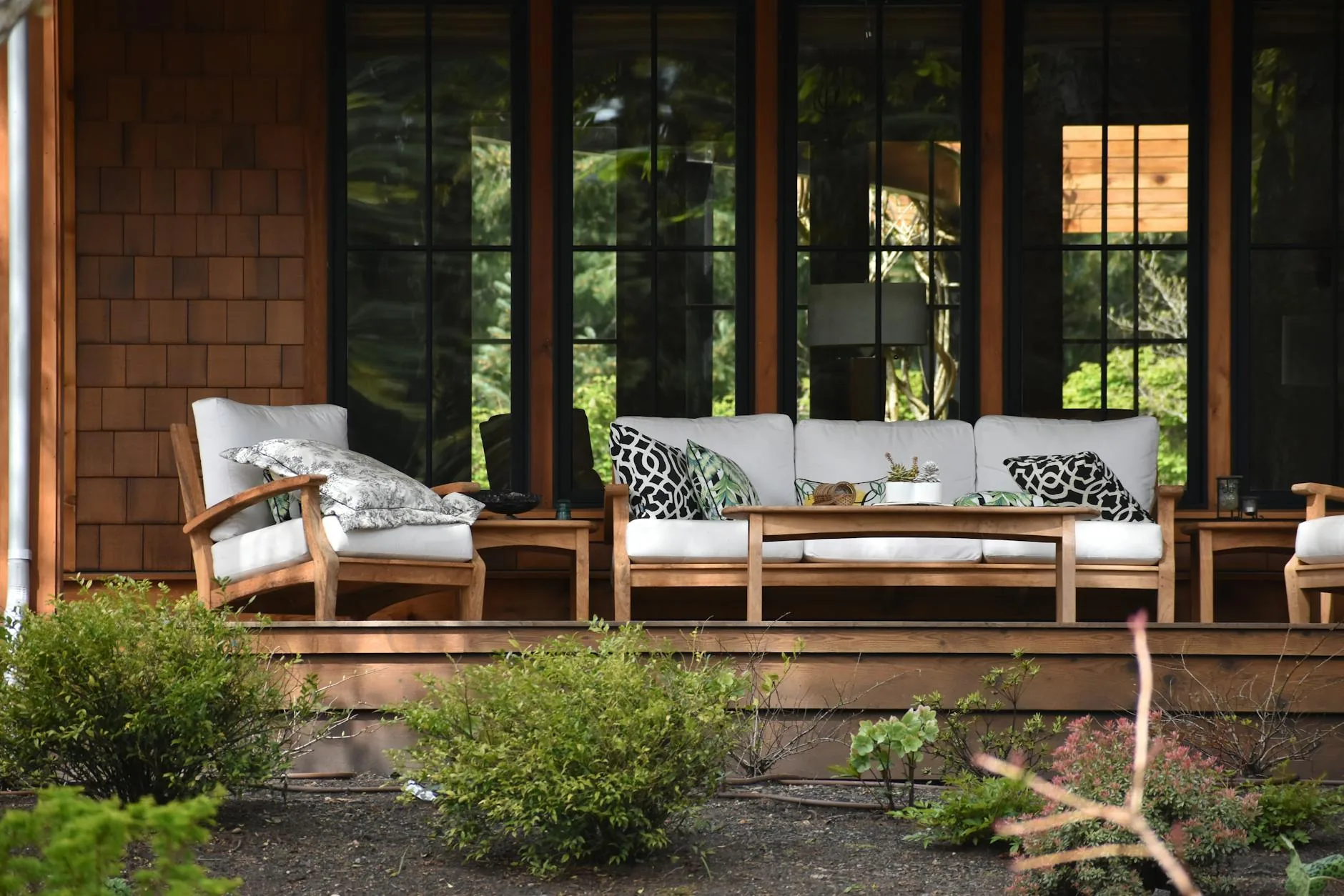
Minimalist garden beds embrace simplicity, focusing on form and function. Using clean lines and a limited palette of plants, these beds create a sleek and modern look. Materials such as concrete, steel, or untreated wood can be used to construct the beds, complementing the minimalist aesthetic.
These garden beds work by highlighting the beauty of individual plants, allowing each species to stand out without competition. This approach is ideal for those who prefer a low-maintenance garden that still offers visual appeal. In 2026, minimalist design continues to be a significant trend, with a focus on sustainability and simplicity.
Designer Tip: Arrange plants using the rule of thirds for balanced composition.
Try This If: You prefer a clean, modern look with minimal upkeep.
22. Outdoor Art Displays
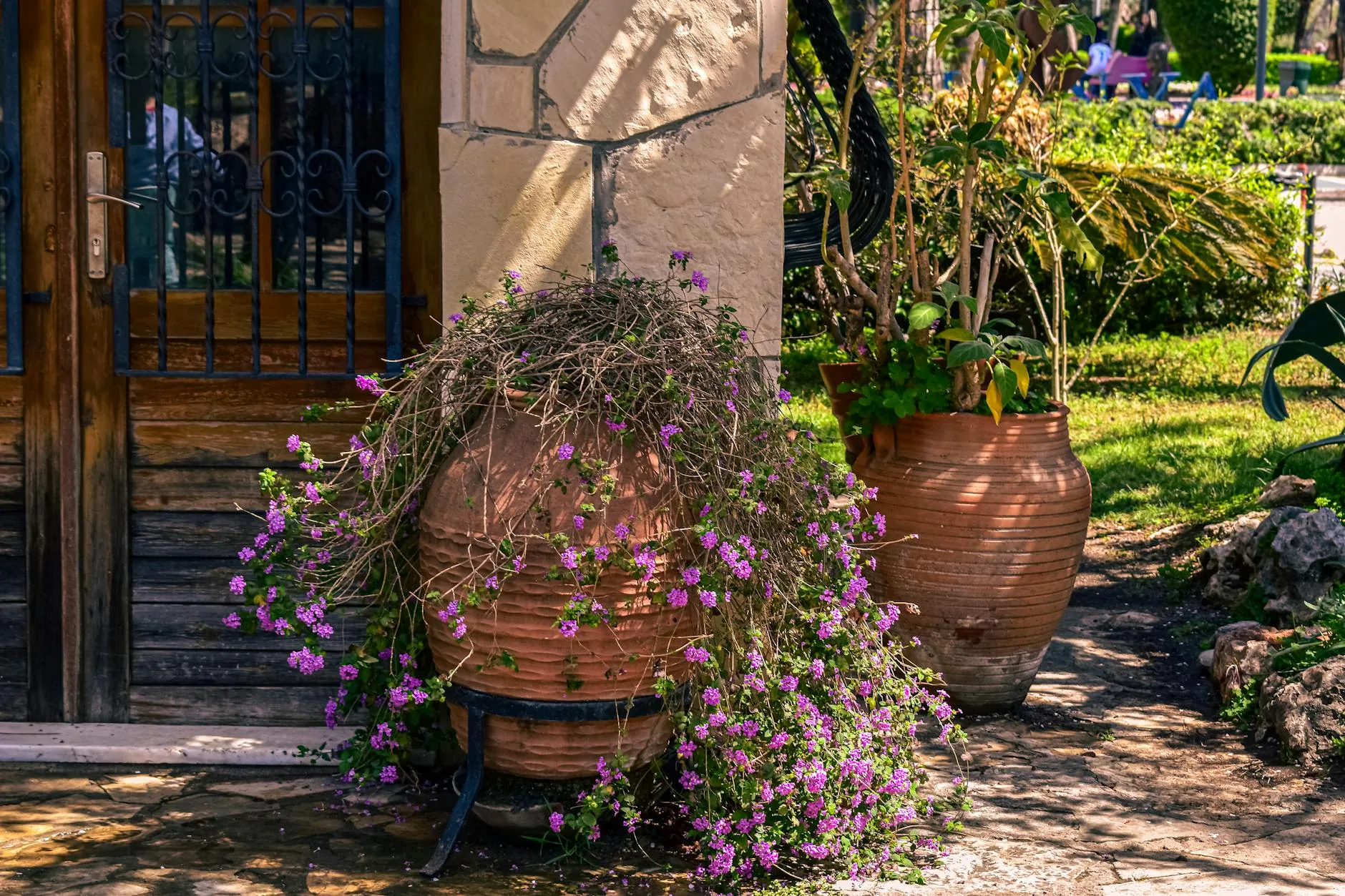
Incorporating art into your outdoor decor adds a layer of sophistication and personal expression. Whether it’s a mural, sculpture, or installation, outdoor art can transform a garden or patio into a gallery. Choose pieces that reflect your style and withstand the elements, using weather-resistant materials like metal or stone.
Art displays serve as focal points, inviting conversation and contemplation. They enhance the visual interest of a space and allow for personal expression. In 2026, there is a growing trend of integrating art into outdoor living, offering a unique way to personalize and elevate your environment.
Designer Tip: Position art pieces using the golden ratio for visual harmony.
Try This If: You want to showcase your personal style and creativity outdoors.
23. Get the Look: Bohemian Chic Patio
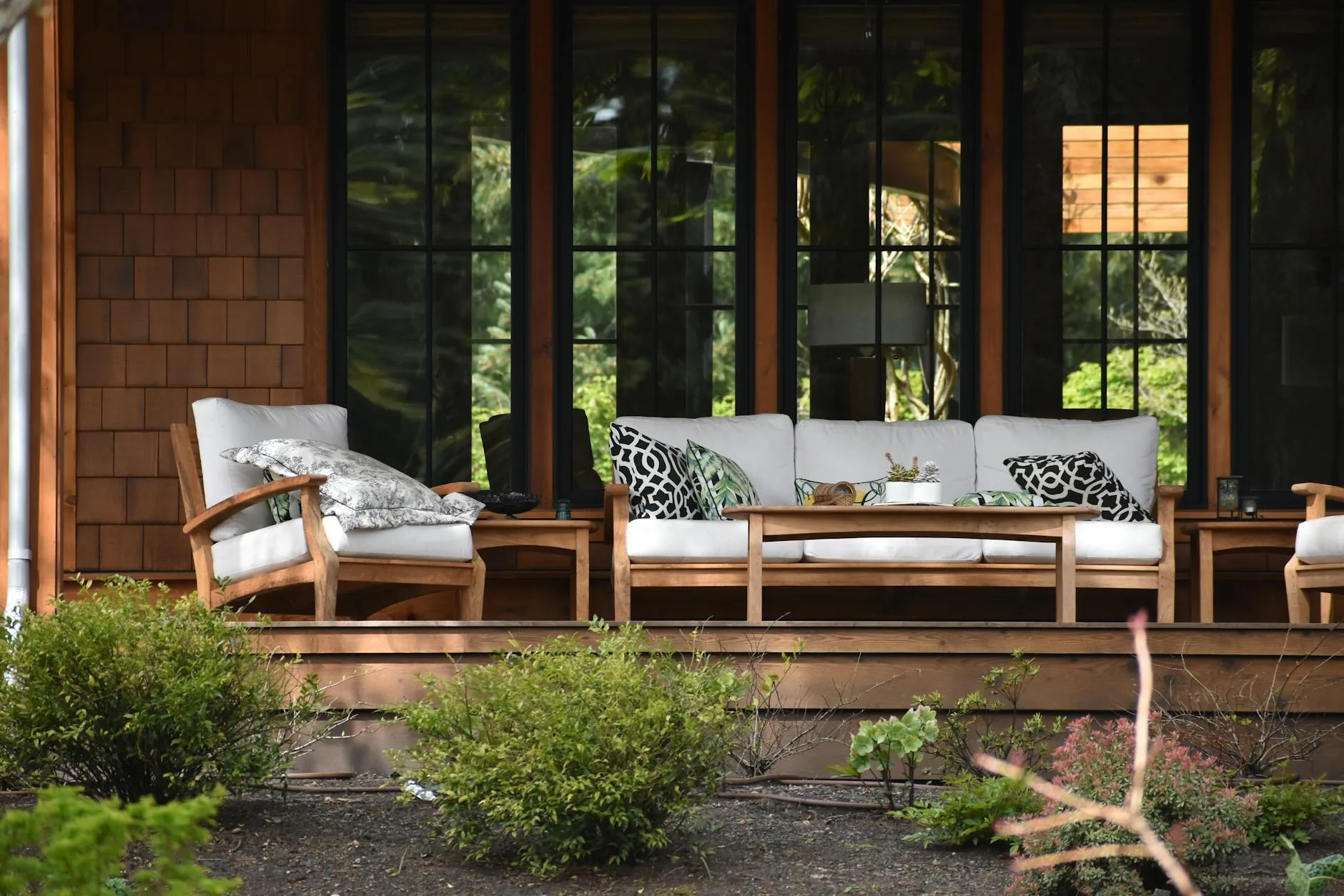
Transform your patio into a Bohemian chic haven with a mix of textures and patterns. Start with a a thoughtfully chosen piece vibrant kilim rug to anchor the space, adding a pop of color and warmth. Pair this with a a thoughtfully chosen piece woven rattan chair for a laid-back vibe. Enhance comfort with a thoughtfully chosen piece macramé throw pillows, echoing the boho aesthetic with their intricate designs.
A Bohemian patio exudes a relaxed and eclectic charm, perfect for casual gatherings or solitary relaxation. This style encourages mixing and matching elements, creating a personalized space full of character. In 2026, the Bohemian trend remains popular for its ability to blend comfort and creativity, making outdoor areas feel inviting and lived-in.
Designer Tip: Layer rugs for added texture and visual interest.
Try This If: You love an eclectic, colorful outdoor space.
24. Garden Mirrors
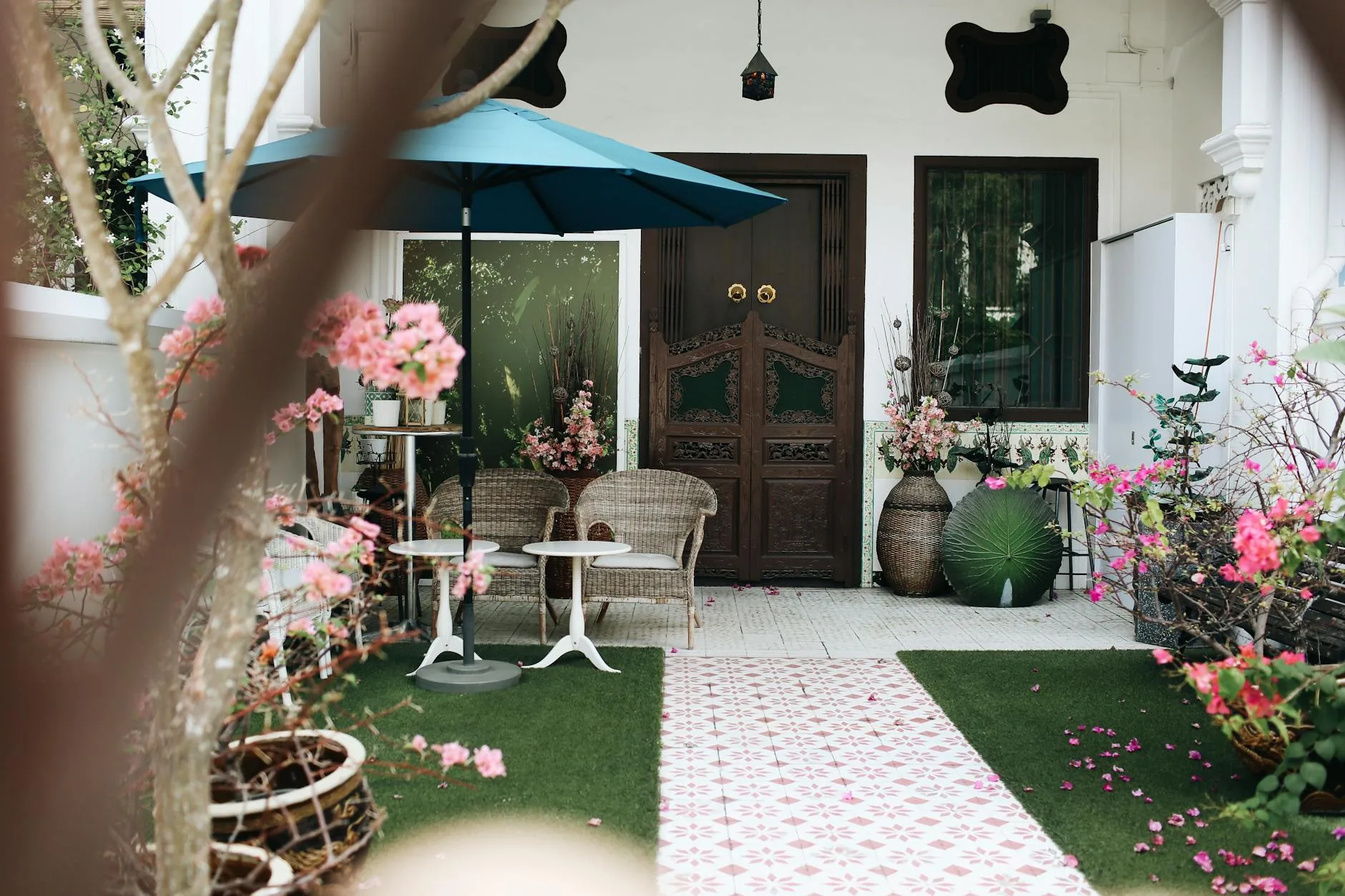
Garden mirrors can dramatically enhance your outdoor space by creating the illusion of depth and space. By strategically placing mirrors in shaded areas or against walls, you can reflect light and views, making small gardens appear larger and more lush. Choose designs with weatherproof frames to ensure longevity.
Mirrors work by tricking the eye, offering unexpected perspectives and expanding visual boundaries. They align with 2026 trends that emphasize clever use of space and light manipulation. Pair with climbing plants or decorative trellises to integrate mirrors seamlessly into the natural environment, enhancing both the aesthetic and functional aspects of your garden.
Designer Tip: Position mirrors at eye level for optimal reflection and impact.
Try This If: Your garden feels cramped and lacks natural light.
25. Potted Plant Groupings
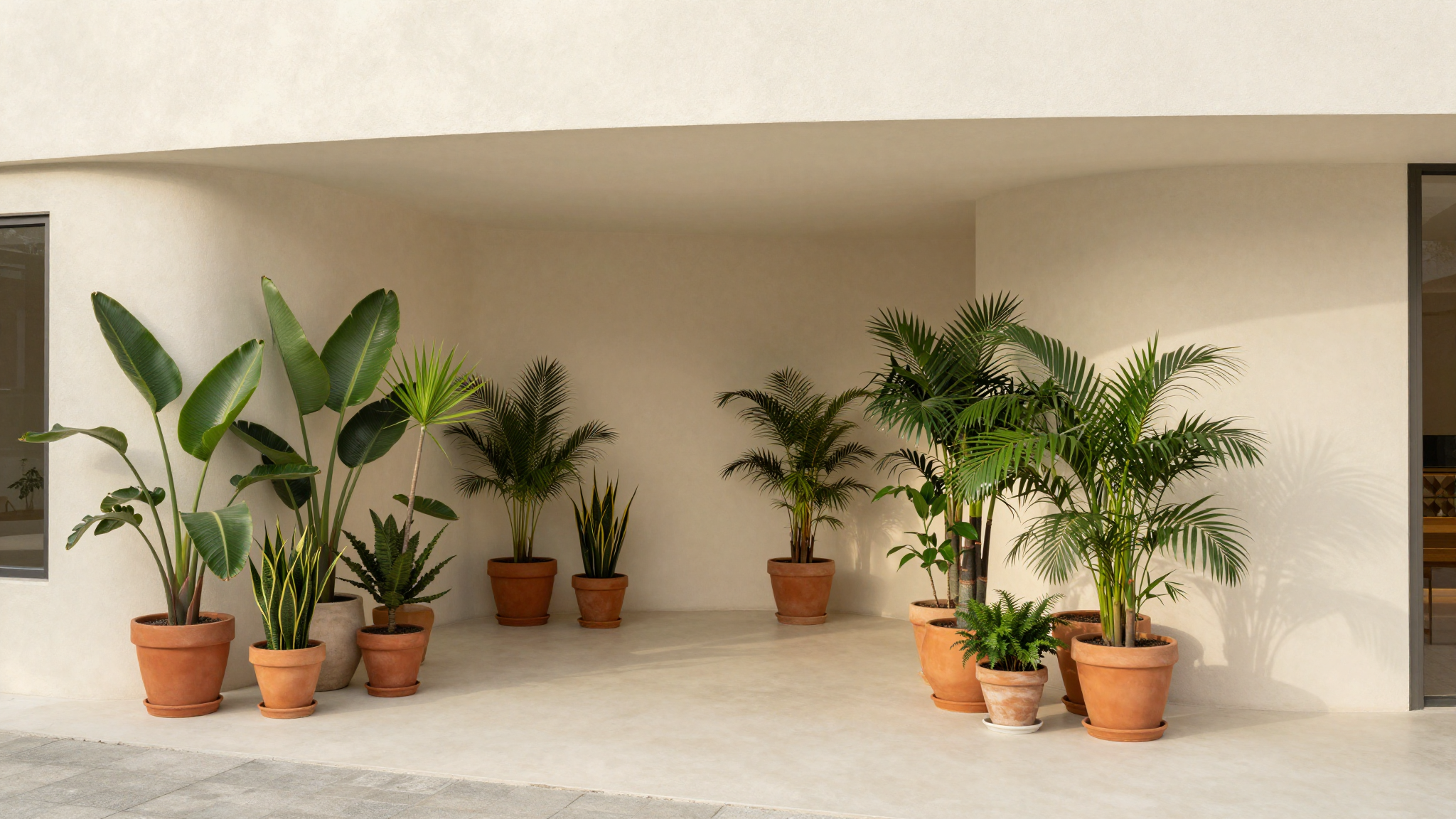
Grouping potted plants offers a flexible and dynamic way to introduce greenery into your outdoor decor. By varying the height, color, and type of pots and plants, you can create a visually interesting display that adapts to your space.
“Potted plant groupings allow for easy reconfiguration, offering endless design possibilities to refresh your outdoor area.”
These groupings are perfect for patios and porches where space may be limited, providing a lush and vibrant aesthetic without permanent installations. In 2026, the trend towards mobile and adaptable decor solutions is growing, offering homeowners the ability to change their environment with ease and creativity.
Designer Tip: Use odd numbers of pots for a more natural look.
Try This If: You have a small space and enjoy experimenting with plant arrangements.
26. Outdoor Shelving
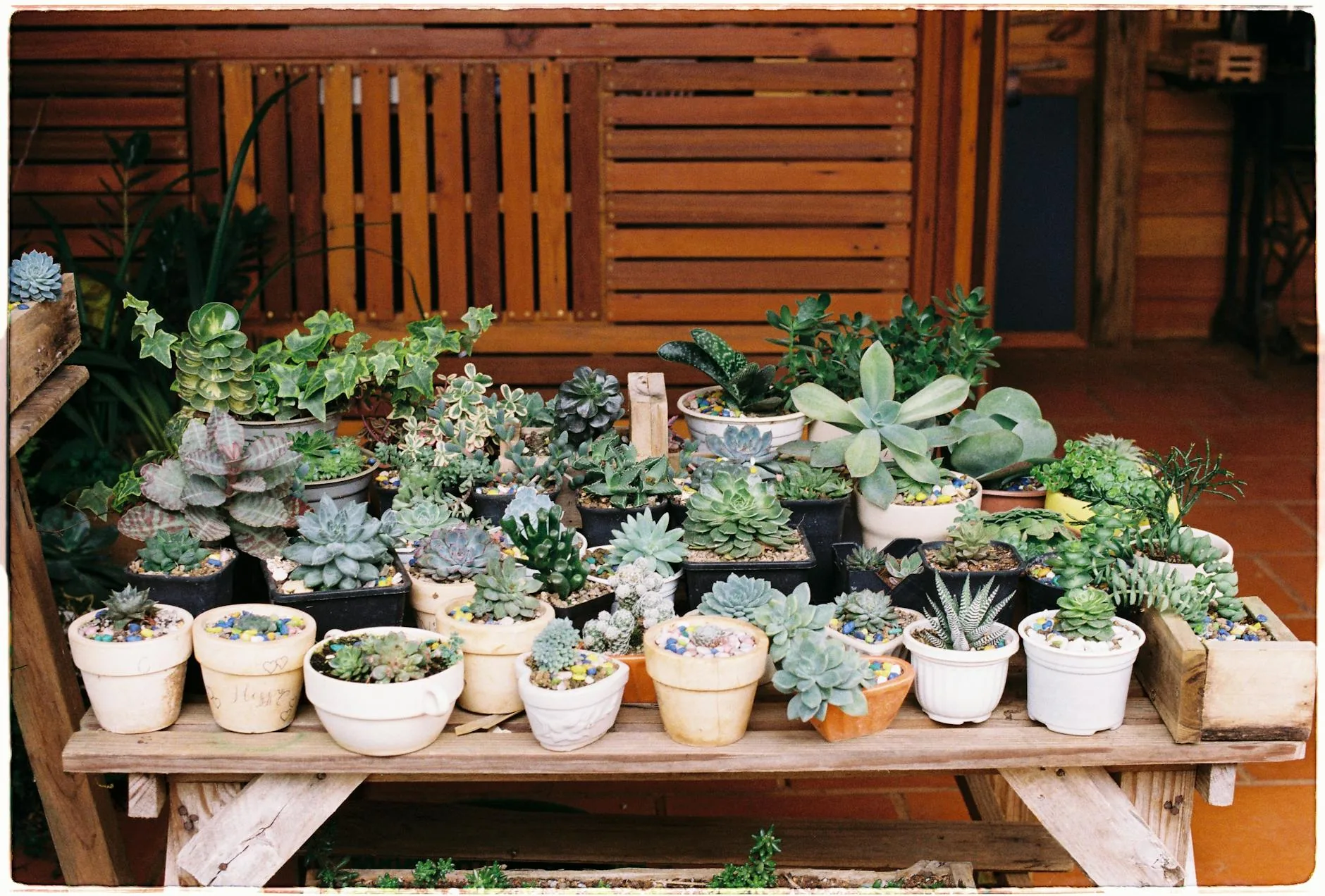
Outdoor shelving adds functional storage and display options to patios and gardens. Using materials like metal or treated wood, these shelves can hold everything from potted plants to decorative items, enhancing both organization and aesthetics.
Shelving units work by utilizing vertical space, freeing up floor area and creating a more organized environment. This design is ideal for smaller spaces where maximizing every inch is crucial. In 2026, outdoor shelving solutions are popular for their practicality and ability to personalize outdoor spaces, allowing for a mix of decor and functional storage.
Designer Tip: Space shelves 12 inches apart for optimal storage and display.
Try This If: You need additional storage without sacrificing style.
27. Trellises and Climbers
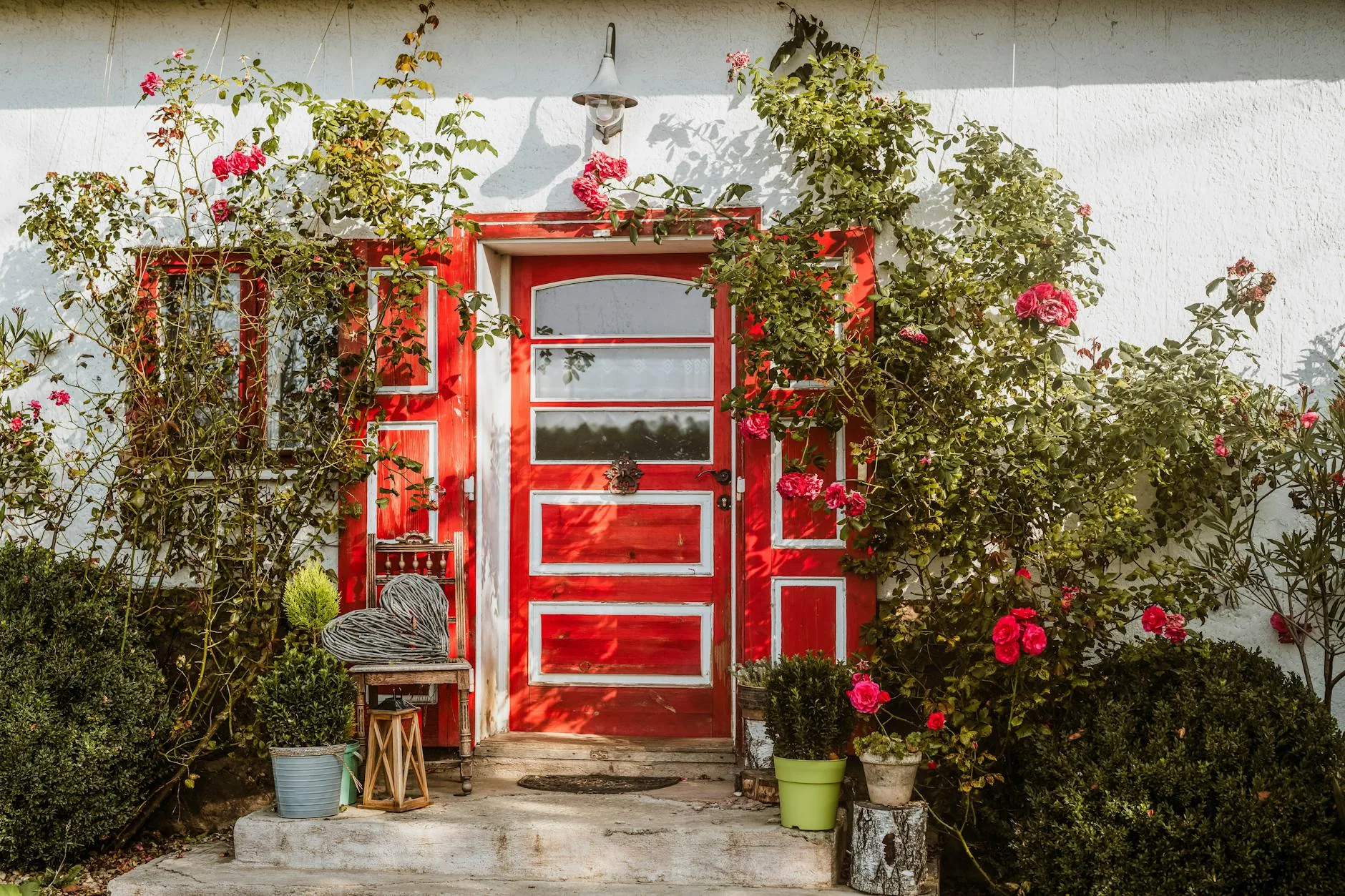
Trellises provide a beautiful way to support climbing plants, adding vertical interest to your garden or patio. Made from materials like wood, metal, or bamboo, trellises can support a variety of climbers such as ivy, clematis, or roses, creating lush, green walls.
The combination of trellises and climbers enhances privacy and aesthetic appeal, offering a natural solution for screening and decoration. This approach aligns with the biophilic design principles that emphasize integrating nature into living spaces. In 2026, these features are increasingly popular for their ability to beautify and improve the functionality of outdoor areas.
Designer Tip: Position trellises to receive at least 4 hours of direct sunlight daily.
Try This If: You want to add vertical greenery and privacy to your space.
28. Step-by-Step: Creating a Zen Garden
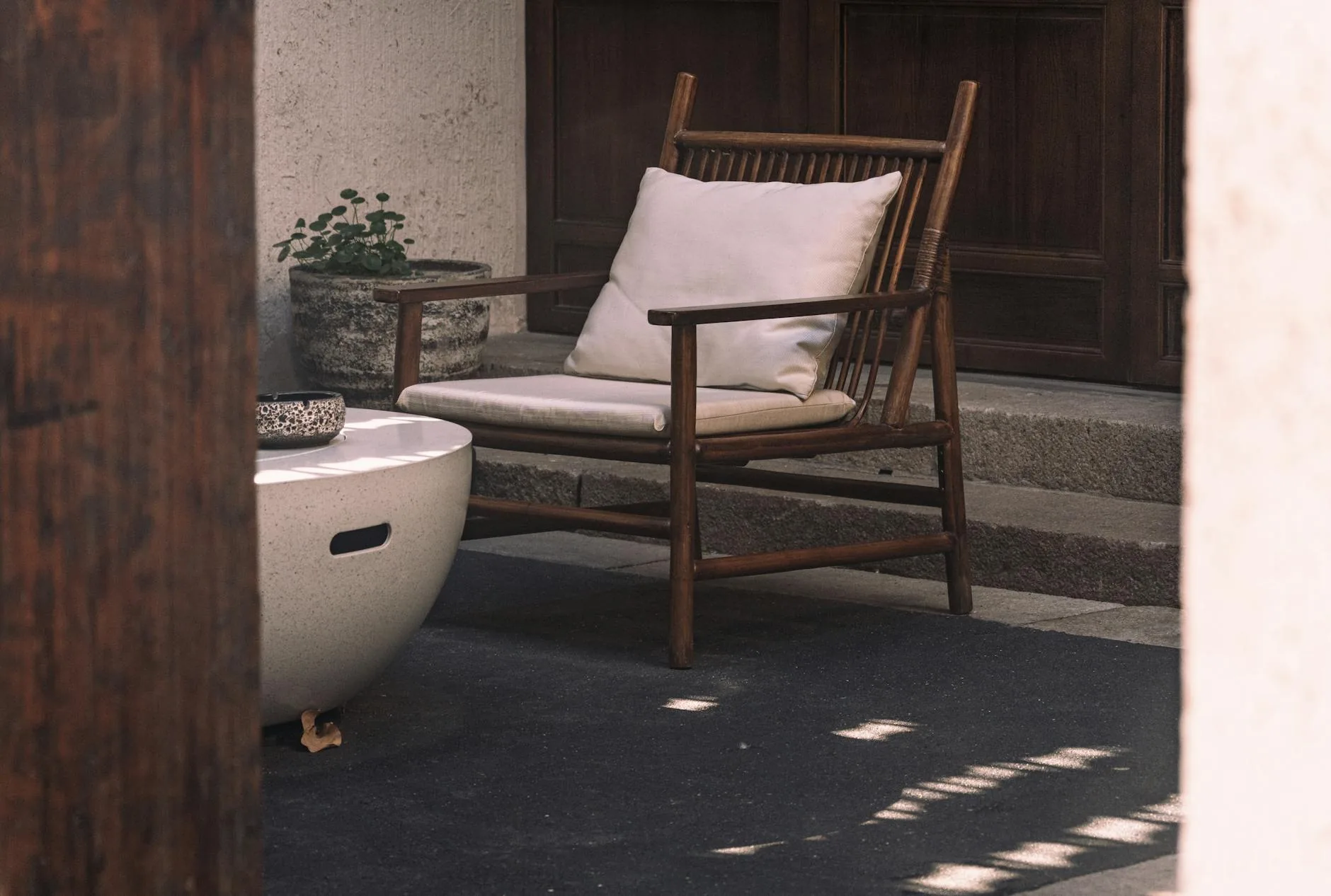
Zen gardens offer a tranquil retreat and are easy to create. Here’s how:
- Choose a Location: Select a quiet area with partial shade.
- Define the Area: Use stones or gravel to outline the space, adhering to the golden ratio for balance.
- Select Elements: Incorporate rocks, sand, and minimal plants like moss or small shrubs.
- Arrange Thoughtfully: Place elements to symbolize natural landscapes, maintaining simplicity and harmony.
Zen gardens promote relaxation and mindfulness, offering a minimalistic yet impactful design that aligns with 2026’s emphasis on wellness in outdoor spaces. They provide a peaceful escape and a meditative environment within your home.
Designer Tip: Rake sand in circular patterns to represent water movement.
Try This If: You seek a serene, meditative outdoor space.
29. Contemporary Pergolas
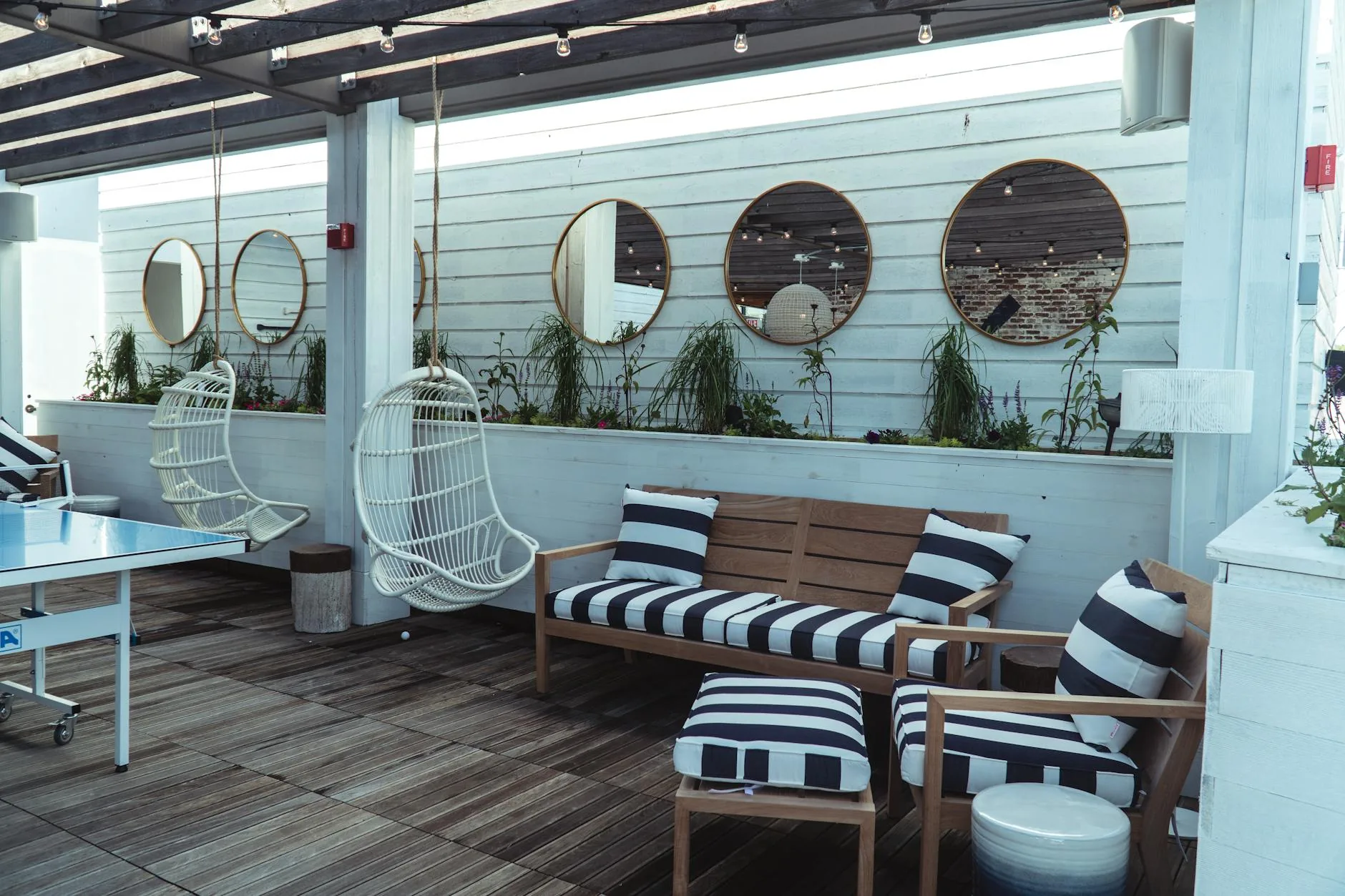
Contemporary pergolas redefine traditional designs with sleek lines and innovative materials. Using aluminum or composite woods, these pergolas offer durability and a modern aesthetic. They provide shade and structure, enhancing the functionality of your patio while adding architectural interest.
These pergolas are ideal for creating defined areas within larger spaces, offering a stylish solution for sun protection. In 2026, the trend towards multifunctional and aesthetically pleasing outdoor structures continues, with contemporary pergolas leading the way in creating versatile and visually striking environments.
Designer Tip: Use translucent roofing for weather protection without sacrificing light.
Try This If: You want a modern look with practical benefits.
30. Wildflower Meadows
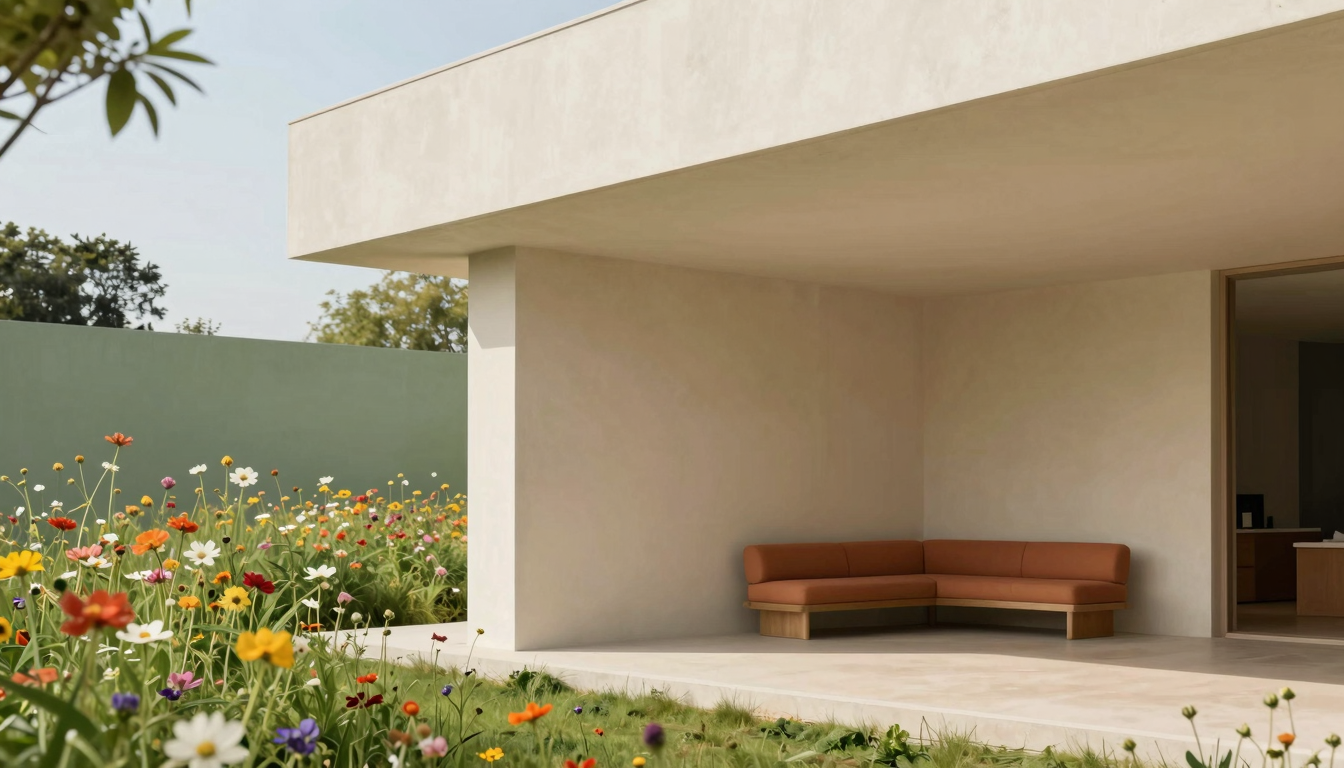
Transform part of your garden into a wildflower meadow, inviting biodiversity and creating a stunning visual display. By sowing native wildflower seeds, you can create a colorful and vibrant area that supports local wildlife and requires minimal maintenance.
Wildflower meadows work by providing a natural habitat for pollinators, enhancing ecological balance and sustainability. This approach aligns with 2026’s focus on eco-friendly and sustainable gardening practices. Allow the meadow to grow naturally, enjoying the seasonal changes and the lively atmosphere it brings to your outdoor space.
Designer Tip: Plant seeds at a density of 2 grams per square meter for optimal growth.
Try This If: You want a low-maintenance, eco-friendly garden feature.
How to Choose the Right Outdoor Decor for Your Space
By Room Size
- Small (under 100 sq ft): Focus on multifunctional furniture and vertical elements to maximize space.
- Medium (100-250 sq ft): Incorporate defined zones using rugs and seating to create an organized layout.
- Large (over 250 sq ft): Use distinct features like fireplaces and pergolas to create multiple areas of interest.
By Budget
Budget-Friendly ($100-500)
Opt for DIY projects and simple updates like new cushions or paint to refresh your space affordably.
Mid-Range ($500-2000)
Invest in quality furniture and lighting solutions that enhance both style and functionality.
Premium ($2000+)
Consider integrated outdoor kitchens or custom-built features that elevate and personalize your outdoor living experience.
By Lifestyle
- Family: Choose durable, safe materials and include kid-friendly zones.
- Couple: Focus on intimate seating areas and ambient lighting for romantic evenings.
- Solo: Create a personal retreat with relaxing elements like hammocks or Zen gardens.
- Pet-friendly: Ensure spaces are safe and accessible, with durable materials that withstand wear and tear.
Common Outdoor Decor Mistakes to Avoid
Mistake 1: The 60-30-10 Rule Ignorance
Overlooking the 60-30-10 color rule can lead to an unbalanced and chaotic outdoor space. This rule helps achieve harmony by dedicating 60% to a dominant color, 30% to a secondary color, and 10% to an accent. Failing to apply this principle may result in visual clutter and a lack of cohesion. To fix, choose a primary color for larger surfaces like walls or flooring, a secondary for furniture, and an accent through decor items like cushions.
Mistake 2: The Biophilic Design Disregard
Ignoring biophilic design principles can make your outdoor space feel disconnected from nature. This design approach emphasizes integrating natural elements, such as plants and natural materials, to enhance well-being. Without it, your space might lack the calming, organic feel that nurtures relaxation. Incorporate greenery through vertical gardens or potted plants, and use natural materials like wood or stone to create a balanced, inviting environment.
Mistake 3: The Oversized Furniture Faux Pas
Using oversized furniture in small spaces can overwhelm and reduce functionality. It disrupts the flow and makes the area feel cramped, violating the rules of visual weight and negative space. To rectify, scale furniture to fit the space, allowing for movement and balance. Opt for multifunctional pieces that offer style without sacrificing usability.
Mistake 4: The Improper Lighting Layout
Poor lighting layout can lead to ineffective illumination and safety hazards. This mistake often arises from not considering the placement and type of lighting needed. To ensure optimal lighting, follow the principle of layering: ambient, task, and accent lighting. This approach provides flexibility and enhances both functionality and ambiance. Position lights to highlight pathways and seating areas, ensuring a safe and inviting atmosphere.
Mistake 5: The Material Mismatch
Choosing the wrong materials for outdoor conditions can lead to premature wear and aesthetic discord. Not all materials withstand weather exposure equally, leading to deterioration and increased maintenance. Select materials like teak, aluminum, or high-grade steel, known for their durability and resistance to outdoor elements. This ensures longevity and preserves the look of your outdoor decor.
Mistake 6: The Plant Selection Oversight
Selecting plants without considering climate compatibility can result in poor growth and wasted resources. Each plant requires specific conditions to thrive, and mismatches can lead to disappointing results. Research native and climate-appropriate species to ensure your garden flourishes. This approach supports sustainable gardening and reduces the need for excessive watering and maintenance.
Frequently Asked Questions
How can I make my patio more private?
To enhance patio privacy, consider adding elements like outdoor curtains or strategically placed plants. Tall planters or trellises with climbing vines can create a natural screen, while curtains provide flexible coverage. For a more permanent solution, consider installing lattice panels or privacy screens that blend with your decor. These options offer both privacy and aesthetic value, allowing you to enjoy your outdoor space without prying eyes.
What are the best materials for outdoor furniture?
The best materials for outdoor furniture include teak, aluminum, and synthetic wicker. These materials are known for their durability and resistance to weather conditions. Teak offers a classic look with natural oils that repel water and resist warping, while aluminum provides a lightweight, rust-resistant option. Synthetic wicker mimics the look of natural fibers but offers greater resilience and easier maintenance. These choices ensure longevity and style for your outdoor furniture.
How do I choose outdoor lighting?
When choosing outdoor lighting, start by assessing the primary function, such as security or ambiance, and then select fixtures that match your style and intended placement. Utilize the layering principle by combining ambient lighting for general illumination, task lighting for specific areas like grills, and accent lighting to highlight features like trees or sculptures. Ensure all fixtures are weather-resistant, using materials such as stainless steel or powder-coated aluminum. Solar-powered lights offer eco-friendly benefits, while LED bulbs ensure energy efficiency and longevity.
What is the best plant arrangement for small spaces?
In small spaces, vertical arrangements and the use of tiered plant stands can maximize greenery without overwhelming the area. Opt for a mix of trailing and upright plants to create depth and interest. Hanging baskets and wall-mounted planters also help utilize vertical space effectively. This strategy aligns with biophilic design principles, bringing nature into compact areas without sacrificing style or space.
How can I make my garden more sustainable?
To make your garden more sustainable, focus on native plants, water conservation, and organic practices. Native plants require less water and maintenance, as they are adapted to local conditions. Implement rainwater harvesting systems and drip irrigation to minimize water usage. Opt for organic fertilizers and pest control methods to protect the ecosystem. This approach aligns with 2026 trends, fostering a responsible and environmentally-friendly garden.
What are some low-maintenance outdoor decor ideas?
For low-maintenance outdoor decor, consider synthetic turf, which requires no mowing, and drought-tolerant plants like succulents or lavender that thrive with minimal watering. Choose furniture made from weather-resistant materials such as teak or resin wicker, which resist damage from sun and rain. Implement automated irrigation systems to efficiently water plants and use solar-powered lights to illuminate your space without increasing energy bills. These options create a stylish, manageable outdoor area, ideal for those with limited time or gardening expertise.
Continue Exploring
- Browse all Outdoor & Patio ideas
- Browse all DIY home decor projects
- Browse all Decor Tips & expert insight
Final Thoughts
Outdoor decor in 2026 is all about marrying functionality with aesthetic appeal. By embracing sustainable practices and smart design principles, you can create an outdoor space that’s both beautiful and practical. Whether you’re looking to entertain guests, find a peaceful retreat, or simply enhance your property’s curb appeal, the ideas shared here offer a wealth of inspiration. Explore different styles and solutions to craft an outdoor area that truly reflects your personality and lifestyle. Don’t wait, start transforming your outdoor space today.
—
Last updated: May 6, 2026
Author: tugberk